 Skip to content

- Key Takeaways
- What is a Slow Juicer?
- What Benefits Does a Slow Juicer Offer?
- Slow Juicer vs. Other Juicers
- Latest Juicer Technology Advancements
- Best Fruits & Vegetables for Slow Juicing
- Choosing the Right Slow Juicer
- Cleaning and Maintaining Your Juicer
- Maximize Slow Juicer Performance
- Conclusion
- Frequently Asked Questions
Key Takeaways

- Slow juicers work at a much lower RPM thereby increasing juice extraction performance. This process allows all nutrients, enzymes and flavor to be preserved while reducing heat buildup and oxidation. This leads to more nutritious, longer-lasting juice.
- These juicers offer the best versatility for juicing all types of produce. They swoop right over tricky fibrous produce such as leafy greens, hard-stem vegetables, and soft fruits, giving you fantastic versatility for every juicing project.
- Quiet and efficient Unlike centrifugal juicers or even triturating juicers, slow juicers work pretty quietly, extracting a lot more juice per session. They deliver better nutritional yield too, making them a great choice for health-focused home juicers.
- Modern slow juicer machines feature better motor designs paired with high quality auger technology. They feature smart technology for increased efficiency, user-friendliness, and performance excellence on a whole new level.
- To start, consider your priorities and the space you have in the kitchen. Then, consider material quality and consumer ratings to help you find a long-lasting and reliable option.
- Proper cleaning and maintenance, such as disassembling parts, cleaning immediately after use, and using suitable tools, will keep your slow juicer functioning optimally for years.
A slow juicer, or masticating juicer, extracts juice by slowly grinding and crushing your produce. We were drawn to this unique approach because it preserves even more nutrients, delivers deeper flavors, and reduces oxidation compared to conventional high-speed juicers.
Engineered for maximum nutrient extraction, the slow juicer tackles leafy greens, dense produce and even nuts to craft delicious plant-based milk. By preserving extra vitamins and enzymes, it’s the perfect option for health-minded people who want to make their own fresh, nutrient-rich drinks at home.
What is a Slow Juicer?
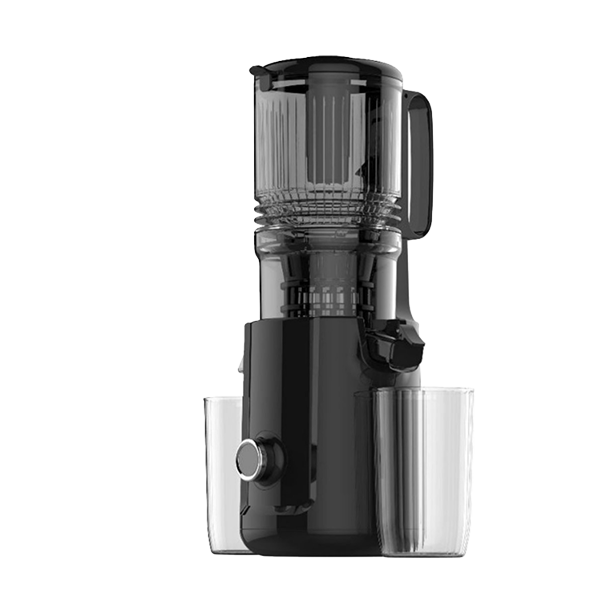
A slow juicer, or masticating juicer, is one of the most effective ways to juice. It’s a mouthwatering miracle machine that extracts high yields while preserving the nutrients and flavors of the ingredients brilliantly. These are cold-press, masticating juicers.
They work at a lower speed – usually 112 RPM – which slowly pulverizes and liquefies fruits and vegetables. This process reduces oxidation, allowing you to preserve up to 85-90% of the nutrients found in your ingredients.
How Slow Juicers Work
Their performance really depends on the auger. This unique spiral mechanism, which moves at a deceptively slow pace, crushes, presses and extracts juice for maximum results. Unlike centrifugal juicers that shred ingredients at high speeds, the slow juicer’s method ensures less heat buildup, which can degrade nutrients.
Juicing these very fibrous fruits, such as strawberries or raspberries in an omega slow juicer, yields a deliciously vivid colored, nutrient-packed juice with little to no froth. From start to finish, the process only takes five to 10 minutes, depending on what you’re making.
Key Features of Slow Juicers
Slow juicers tend to have larger feed chutes. This design allows you to put in bigger pieces of produce, so it minimizes your prep time. Many of these models feature extra-large juice containers, allowing users to produce more juice at once.
Certain models, like the Advance Viva Juicer, have motors that operate slowly and quietly, resulting in no vibration. This patented design makes them ideal for use in home kitchens.
Slow Juicer Components
A traditional slow juicer, known for its excellent juicer capabilities, is made up of an auger, motor, filter, and juice container. These components work together to deliver the highest quality juice possible, handling everything from leafy greens to summertime fruits.
What Benefits Does a Slow Juicer Offer?
Slow juicers, or masticating juicers, deliver unique benefits with their low-speed juicing process. This slow method produces juice with superior taste, more nutritional value, and higher overall juice quality than traditional centrifugal juicers.
Read on as we outline the main benefits one-by-one.
Maximize Nutrient Retention
A slow juicer works at reduced speeds, typically around 40–80 RPM, which helps retain vital nutrients like vitamins, minerals, and antioxidants. Slow juicers are masters at protecting the quality of your ingredients.
They eliminate heat and oxidation for a safer and more nutrient-rich juice packed with all the benefits you crave.
Enhance Enzymatic Activity
The slow juicing process ensures that valuable enzymes that naturally occur in fruits and vegetables are preserved. These enzymes are effective and active in supporting digestion and improving gut health.
Your juice becomes a super shot of gut health!
Minimize Heat Buildup
The amount of heat produced in the juicing process can greatly affect juice quality. Slow juicers produce very little heat while extracting, so those fragile nutrients and enzymes are perfectly preserved.
This process helps extract the highest amount of nutrients, creating a wholesome, nutrient-dense juice.
Reduce Oxidation
Oxidation is a natural process where juice comes in contact with air, leading to the loss of essential nutrients. Slow juicers reduce the oxygen levels, keeping your juice fresh for up to 72 hours.
That means you can make juice ahead of time without sacrificing its nutritional quality or flavor.
Extract More Juice
Slow juicers do a better job of extracting juice, creating drier pulp. This innovative approach reduces food waste.
It’s equally important when it comes to maximizing every ingredient—leafy greens, fruits, and hard veggies.
Handle Fibrous Materials Well
In contrast to centrifugal juicers, cold press juicers make short work of fibrous ingredients like kale, spinach, or ginger, making them an excellent juicer for creating green juices packed with fresh flavor and nutrients.
Quieter Operation
Keeping things at lower speeds helps cold press juicers be more quiet. This feature is especially useful for those early mornings when you want to enjoy fresh juice without waking up the entire household.
Slow Juicer vs. Other Juicers

When you stack cold press juicers against other juicers, their superiority is clear. You’re going to see differences in how they operate, the quality of fresh juice they make, and their overall performance. Generally, each type of juicer, including centrifugal juicers, has its peculiar advantages, which is why it’s important to know how these products work and what benefits they offer.
Centrifugal Juicers
Centrifugal juicers are the well-known speedy juicer. They work at a very high RPM (revolutions per minute), typically 3,000–10,000 RPM. These juicers operate by rapidly spinning the fruits and veggies at high speeds to force juice out with centrifugal action.
They’re speedy and user friendly for juicers pressed for time, but quality of juice may be a sacrifice. The high-speed spinning process creates more contact with air than other juicing methods. This added oxidation can result in faster browning, similar to what occurs with apple juice.
They yield less juice from fibrous ingredients such as celery. This means that they are less efficient than slow juicers. Oftentimes, centrifugal juicers are cheaper. Nutribullet juicer popular models usually run just $160, making them a great option for those just getting started.
Triturating Juicers
Triturating juicers, or twin-gear juicers, work by crushing fruits and vegetables between two gears, fully tearing down tough plant fibers. This process avoids oxidation, guaranteeing maximum juice extraction and nutrient retention.
While juicing, these tools excel on leafy greens and harder vegetables. Their larger footprint and greater expense means they’re less appealing to the occasional user. These juicers are for those who care most about the quality of juice they’re getting and don’t mind paying a premium for a high-end machine.
Masticating Juicers
Slow juicers, aka masticating juicers, work their magic through a deliberate juicing process. They run at a lower speed (about 40 – 80 RPM), making the juice taste even better. This slower pace decreases heat buildup and oxidation, conserving nutrients and giving you a deep, nutrient-rich juice with a vivid color.
The unique design allows ingredients to pass through much smaller openings. This tends to rupture fibers, producing a 30% better yield, as seen with celery juice here. While the slower process may draw concern, it’s what makes the juicer so incredibly versatile, juicing everything from soft fruits to fibrous greens.
Premium heavy-duty masticating juicers begin at about $450, which gives you an idea of their superiority and strength.
Latest Juicer Technology Advancements

This transformation of cold press juicers has revolutionized the juice extraction process, focusing on energy efficiency, optimal freshness, and maximum nutrient retention. Recent innovations in electric juicers are a testament to this goal, delivering impactful advancements in every corner of the technology.
Improved Motor Design
Today’s slow juicers are equipped with advanced, super-efficient motors that run at a much slower speed, around 80-100 RPM. This slow-speed operation reduces friction and heat created during the juicing process, producing temperature increases of less than 3°F.
This tiny temperature control is extremely important for maintaining heat-sensitive nutrients, such as Vitamin C. This extends to keeping stimulating flavor notes, too.
Smart motors quietly powered produce sound levels between 40 and 60 decibels—comparable to a quiet home conversation. This is a marked improvement over centrifugal juicers, which can exceed 80 decibels, making the slow juicer more suitable for peaceful home use.
Enhanced Pulp Ejection
Improvements in pulp ejection systems are one reason that today’s slow juicers are more efficient and user-friendly. These designs can lower pulp content of juice by as much as 15 percent over centrifugal models.
Less pulp equals smoother juice, less foam, and hassle-free cleanup. Twin gear juicers are the latest advancement in juicing technology. Their unique design with interlocking gears allows them to efficiently crush and grind produce, extracting the most juice while wasting the least.
Optimized Auger Design
The auger, perhaps the most bomb-proof part of the spreader, has undergone the wildly-popular auger upgrades as well. Optimized engineering improves extraction with up to 80% less foam for smoother texture and greater nutrient preservation.
New materials in augers boost durability and performance, providing consistent results no matter the ingredient.
Smart Juicer Features
Smart technology integration is rapidly becoming the new normal. Advancements such as automated speed adjustment and self-cleaning mechanisms really take the convenience to another level.
Some models even feature smartphone connectivity, providing users with recipe suggestions and maintenance reminders.
Best Fruits & Vegetables for Slow Juicing

Choosing the best fruits and vegetables to slow juice takes your creation from good to unforgettable in taste, nutrition, and satisfaction. Here’s to a variety of leafy greens, hearty veggies, and tender fruits! Together, this pair allows us to produce fresh juice loaded with nutrition while still appealing to a variety of palates and health ambitions, making it a great beginner juicer.
Leafy Greens
Leafy greens such as spinach, kale, and parsley are perfect fruits and vegetables for slow juicing, providing loads of nutrients while yielding lots of green juice. These wholesome greens are loaded with vitamins A, C, and K! They provide key minerals such as iron and magnesium.
Slow juicers excel at processing these fragile greens, losing little to no nutrients. Just 10% at most of the nutrients get lost. Pair spinach with cucumber and lime juice for a fresh green juice.
Combine kale and pineapple for a simply scrumptious sweet and tangy juice. Tossing in some parsley adds flavor and helps digestion and detoxification.
Hard Vegetables
Root vegetables like carrots, beets, and ginger are perfect for creating colorful, earthy juices. Carrots add a satisfying crunch and earthy sweetness while serving up loads of beta-carotene, essential for healthy vision and skin.
Beets introduce a vibrant red color and are famous for their heart-healthy nitrates. Its invigorating warming spice not only enhances the sweetness of carrots but balances the sharpness of apples when combined.
Pairing these with other fruity citrus friends like oranges greatly enhances the taste and the health benefits.
Soft Fruits
Soft fruits such as berries, kiwi and watermelon provide a great juicy pop. Strawberries, blueberries, and raspberries work well blended together to create a juice that is high in antioxidants!
Watermelon hydrates and pairs well with mint and lemon, while kiwi provides vitamin C, promoting skin health. Pineapple, paired with mint and lime, provides a juicy, tropical infusion.
Choosing the Right Slow Juicer
Choosing the best slow juicer, such as a cold press juicer, requires considering a few important factors to ensure the juicer fits your lifestyle and juicing goals. Each of these considerations is crucial for selecting an excellent juicer that will deliver fresh juice consistently for years to come.
Consider Your Juicing Needs
Knowing what you intend to juice is a big first step. A versatile slow juicer stands out by being adept at churning through just about every type of produce. It just whizzes through leafy greens, soft fruits, and dense root veggies.
The Greenstar Elite certainly makes an impression with its unique dual-gear design. By slowly crushing and grinding fruits and veggies, it maximizes nutrient retention and keeps things flavorful. Slow juicers prevent foam and bitterness, which is often the case when using centrifugal-based juicers, yielding tastier, healthier, nutrient-packed drinks.
This quality makes them perfect for the health-conscious and flavor-conscious individual.
Evaluate Juicer Size and Capacity
Juicer size, as well as the capacity of the main container and/or juice container, directly affect convenience. While compact vertical designs take up less counter space, sizes of the containers can drastically differ.
Other models have smaller pulp and juice collection containers that will need to be emptied often while using the juicer. For families or serious juicers, bigger capacities just make sense. Take a look at the machine’s weight and if it comfortably fits within the layout of your likely kitchen.
Check Material Quality and Safety
Durability is important if you want your juicer to last over time. Check for BPA-free materials and durable construction for added safety and reliability. Choices including the Hurom top of the line model offer sleek aesthetic design with a well built, commercial standard and 10-year warranty.
Premium units like the Greenstar Elite come with a generous 15-year warranty, reflecting their durability.
Read Customer Reviews
Reviews will give you an idea of how it’s going to perform in the real world. Several owners have given rave reviews about the Greenstar Elite’s durability.
While other sources have touted the Breville Juice Fountain Plus because it is so budget-friendly, it lacks the extended warranties.
Cleaning and Maintaining Your Juicer

Taking care of your slow juicer means you’ll always be able to rely on its top-notch performance for years to come. Cleaning and maintaining your juicer regularly will help avoid daunting residue build-up, keep all of your flavors fresh, and keep everything hygienic.
Let’s walk through this process step-by-step so it seems less daunting.
Disassemble the Juicer Properly
Start by unplugging the juicer and slowly separating all of its parts. Most slow juicers, such as Hurom models, have removable parts made specifically for fast and effective cleaning.
Be especially diligent when cleaning parts like the auger, strainer, and juice spout. If your juicer jams up, take it apart right away to clear jammed food and prevent stressing the motor.
Clean Parts Immediately After Use
Cleaning immediately after juicing will help prevent pulp and residue from drying and hardening. Rinse every part under warm water to remove any remaining juice or pulp.
If your juicer plastic is stained, place components in a 10% birch white vinegar and water solution overnight to loosen debris. This technique produces a 98.6% reduction rate of microbes, such as E. Coli.
Use Appropriate Cleaning Tools
Use soft sponge-style brushes, or the proprietary ones that often come with your juicer, to scour hard-to-reach areas such as grooved strainers.
Baking soda is ideal for heavy-duty scrubbing and kills 99.99% of Staphylococcus aureus bacteria. Don’t use any harsh abrasives that could scratch or damage parts.
Regular Maintenance Tips
Perform a weekly deep clean by soaking all water-safe parts in a solution of warm water and vinegar or lemon juice. Once you’re done cleaning, allow each part to air dry completely before reassembling to avoid water spots or mineral build-up.
Don’t forget to wipe the exterior down with a damp cloth for a sparkling finish!
Maximize Slow Juicer Performance

Slow juicers, particularly cold press juicers, are specially made to provide better quality juice, prioritizing craftsmanship over speed. The masticating method squeezes juice from the produce using narrow chutes between stainless steel gears. This process effectively disintegrates the cells, leaching out more nutrients and intensifying the natural taste, resulting in smooth juice with each batch.
Slow juicers work at very low speeds from 30 to 200 RPM. They’re so gentle that it allows maximum preservation of fruits and vegetables integrity with a processing time of 5-10 minutes per batch. This method reduces oxidation, giving the juice a silkier consistency and keeping it fresher for a longer time than quick juicers.
Prepare Ingredients Properly
Taking the time to prepare is half the battle to achieve the best results. Slicing your fruits and veggies into smaller pieces helps avoid clogging and helps you get an even juice extraction. When juicing tougher, fibrous produce such as celery, cut it into shorter lengths.
This prevents unnecessary stress on the juicer. Pitting peaches and cherries or removing hard seeds before juicing can help save the gears. Removing tough-skinned fruits—like pineapples—before juicing can make your juice taste better and clean up easier!
Alternate Hard and Soft Produce
By feeding hard and soft ingredients in turn, you’ll keep your juicer running efficiently. For example, alternating apples with softer fruits such as strawberries or leafy greens such as spinach helps keep things moving and achieves a more consistent extraction.
This technique ensures uniform texture and optimal juice extraction. The tougher fruits and vegetables assist in forcing softer foods down the feed tube and through the auger shafts.
Store Juice Correctly
If you’re making juice in advance, store freshly juiced juice in an airtight glass container to maximize nutrient retention and taste. Refrigeration is of course great, but drinking it within 24 hours is best to enjoy at its freshest!
By preventing your juice from sitting in contact with air for long periods, you reduce oxidation providing you with a more vibrant, nutritious drink.
Conclusion

Slow juicers offer an exciting new method to consume your fruits and vegetables. They preserve the most nutrients, provide deeper flavors, and further enable us to eat the rainbow and feel our best. No matter if we’re juicing apples, carrots or leafy greens, the results are amazing! Picking the best model is very important. By using quality produce and taking care of the machine, we can set ourselves up to get the most out of its capabilities.
Today, thanks to smart innovations in juicing technology, we’re treated to improved performance and a more streamlined cleanup process. It’s more than just juicing; it’s more than just having delicious juices—it’s about introducing simple wellness into our everyday lives. Let’s keep juicing. In many ways, slow juicers are the perfect example of what’s wrong with the current S.B. Explore some of the best rated models available today and see how they can help you build a healthier lifestyle.
Frequently Asked Questions
What is a slow juicer?
A slow juicer, often referred to as a cold press juicer, is an excellent juicer that extracts juice by crushing fruits and vegetables at a slow speed, ensuring optimum juice quality while retaining more nutrients for healthier, fresher juice.
Are slow juicers better than traditional juicers?
The answer is yes, cold press juicers preserve more nutrients and enzymes than centrifugal juicers. They’re foamless and extract more juice, making them a great juicer for those looking to clean their diet up too.
What are the best fruits and vegetables for slow juicing?
Citrus fruits such as oranges and apples, along with vegetables like carrots and spinach, are ideal for cold press juicers. Their low-heat, crushing method is perfect for extracting fresh juice from leafy greens and soft fruits.
How do I clean a slow juicer?
To maintain your centrifugal juicer, take it apart and rinse the pieces immediately after use. Utilize the included cleaning brush for the filter, as many juicers have components that are dishwasher-safe, ensuring excellent juicer performance.
How does slow juicing preserve nutrients?
The gentle cold pressing process of cold press juicers prevents oxidation during juicing, preserving vital nutrients and living enzymes, ensuring you get fresh juice packed with vitamins and antioxidants.
What features should I look for in a slow juicer?
When selecting a powerful juicer, consider the sturdy motor, cleaning time, noise level, and its ability to process leafy greens or hard vegetables. A generous warranty often indicates a superior juicer.
Can I juice leafy greens in a slow juicer?
Yes, cold press juicers, or slow juicers, are excellent for high fibrous leafy greens like spinach, kale, and wheatgrass, as they efficiently extract fresh juice without the usual waste of fruits and veggies.
You may enjoy these related articles:
- Juicing vs. Blending: The Ultimate Guide for B2B Buyers
- Top 10 Juicer Brands in 2025 (Latest)
- Blender vs Juicer for Commercial Use: 2025 B2B Buyer’s Guide to ROI & Efficiency

ElectMix Team provides global e-commerce sellers and distributors with insights on commercial blending solutions, OEM customization, and profitable market opportunities.


