Skip to content

Juicing vs. Blending: The Ultimate Guide for B2B Buyers
Understanding the Difference Between a Juicer and a Blender

When evaluating whether to invest in a juicer and blender, businesses must carefully assess their customers’ demands and the types of beverages they aim to offer. The difference between a juicer and a blender primarily lies in their core functionality and the final product they produce. Juicers operate by extracting liquid from fruits and vegetables while discarding the fiber, resulting in a smooth, pulp-free juice. This method provides a highly concentrated form of vitamins and minerals, making it ideal for juice bars and health-focused establishments looking to serve nutrient-dense beverages.
On the other hand, blenders do not separate the fiber; instead, they process all ingredients into a thicker, more textured drink. This makes them perfect for smoothies, shakes, and blended health drinks, which retain dietary fiber to support digestion and prolonged satiety. The debate over juicing vs. blending is particularly relevant for businesses, as the choice impacts both the nutritional value and customer experience. For instance, juice bars focusing on cold-pressed juices may favor juicers, while cafes and restaurants catering to smoothie lovers might prioritize blenders.
Ultimately, the decision between juicers and blenders should align with a company’s target market and operational needs. High-volume juice bars may require commercial-grade juicers for efficient extraction, whereas fitness centers and health-focused businesses may benefit from high-performance blenders that create fiber-rich beverages. Understanding the difference between a juicer and a blender ensures businesses make informed purchasing decisions that enhance their product offerings and meet customer expectations.
Comparison of Juicing vs. Blending
| Feature | Juicing | Blending |
| Fiber Content | Removes fiber | Retains fiber |
| Texture | Smooth liquid | Thick and pulpy |
| Speed | Slower | Faster |
| Best for | Clear juices | Smoothies & whole fruits |
Blender vs. Juicing: Which is Better for Commercial Use?

Blender vs. juicing—which is better for businesses? If your business serves health-conscious customers, offering both juicers on sale and blenders for juicing is beneficial. A blender juicer in one can provide versatility, allowing customers to create smoothies or cold-pressed juices. For high-volume use, a large juicer machine might be necessary.
Let’s break down how each equipment type aligns with commercial needs while addressing trending industry demands.
Texture & Nutrition Priorities: The Role of Fiber in Juicing and Blending
One major debate in blender vs. juicer nutrition is fiber retention. Does juicing remove fiber? Yes, traditional juicers extract juice and leave out fiber. However, blending vs. juicing retains all nutrients. Understanding is pulp healthy for you can help businesses market their products effectively.
The difference between a juicer and a blender becomes crucial when catering to specific dietary trends.
Juicers on sale appeal to establishments targeting detox-focused consumers, as cold-press models preserve heat-sensitive nutrients while eliminating fiber for quick absorption – ideal for juice bars or wellness resorts.
Blenders for juicing retain whole-food fiber, making them perfect for smoothie chains targeting fitness enthusiasts seeking sustained energy. The 87% surge in global smoothie market demand (2023 Allied Market Research) confirms this trend.
Pro Tip: Consider a blender juicer in one for cafes needing menu flexibility. These hybrid units allow quick switching between silky green juices (AM crowd) and protein-packed smoothies (post-workout rush).
The nutritional value of juice and dietary fiber Data source: U.S. Department of Agriculture (USDA) nutrient database.
Throughput & Operational Demands
For high-demand operations, a food processor vs. juicer comparison is essential. A juicer vs. food processor helps decide the best method for juice preparation. Make juice machine investments carefully, considering usage volume.
High-volume venues require specialized solutions:
- Large juicer machines like commercial cold-press systems process 500kg/hour, crucial for hotel banquet kitchens supplying conference events.
- Heavy-duty blenders with 3HP+ motors handle continuous frozen blending – a must for tropical resort bars serving 200+ piña coladas daily.
Case Study: A Dubai airport lounge doubled beverage sales by installing both:
- 2x large juicer machines for fresh OJ during breakfast hours
- 3x industrial blenders for afternoon acai bowl service
Maintenance & Cost Considerations: The Most Important Factors That Cannot Be Ignored
When calculating long-term ROI for commercial beverage equipment, maintenance costs and energy efficiency become pivotal factors: Commercial juicers demand daily pulp disposal and frequent component replacements (averaging $0.12 per serving in upkeep), while commercial blenders require periodic blade sharpening but excel at processing frozen ingredients with 18% lower energy consumption per serving. This critical contrast highlights why businesses must strategically balance operational costs and energy savings based on their specific workflows – whether operating a high-turnover juice bar or a smoothie-centric café aiming for cost-effective scalability.
How To Select a Commercial Blender or Juicer?
Key Factors in Selecting a Commercial Blender or Juicer
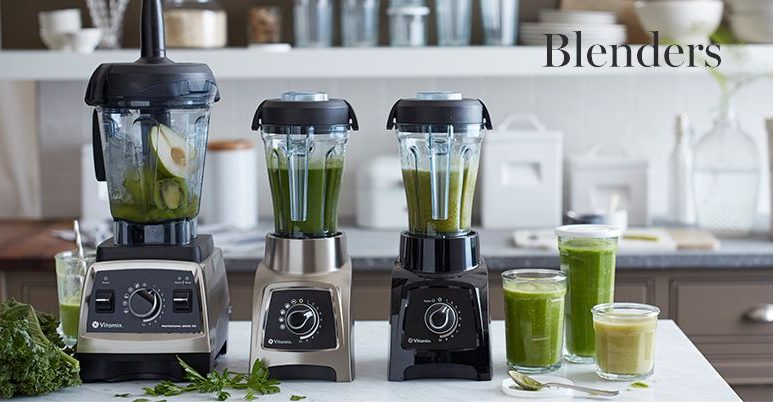
- Blender juicer combo: A combined juicer and blender saves space and cost.
- Cold press juicer vs. blender: Cold press models provide nutrient-rich juice with longer shelf life.
- Juicer that keeps pulp: Retaining fiber can appeal to health-conscious customers.
- Blender with juicer attachment: Offers flexibility in juice preparation.
Practical Applications: Can You Use a Blender for Juicing?
A common question is can you use blender for juicing? While a blender juice machine processes whole fruits, it doesn’t separate fiber like a juicer. Some businesses prefer a juicer blender difference approach—offering both options for customers.
Industry Trends: What B2B Buyers Should Know
B2B buyers should track juicers sale trends and juicers on Amazon to stay competitive. Juicers at Costco, juicers at Macy’s, and juicers Walmart offer insights into retail pricing. Businesses can also monitor juicer Black Friday deals for bulk purchasing opportunities.
Meanwhile, we can pay more attention to the Food Industry Market Report on the Juice and Mixed Drinks Market Trends.
Choosing the Right Equipment for Your Business
Whether investing in a best juicer and blender or a blender and juicer combo, consider your customer base. Best smoothie and juicer blender models cater to cafes and juice bars. Electric juicer Walmart and electric juicer Amazon listings can guide purchasing decisions.
Finding the Best Deals on Juicers and Blenders
- Cheap juicers near me: Local retailers might have better pricing.
- Black and Decker quiet juicer: Popular among noise-sensitive businesses.
- Superangel juicer: High-end models with superior extraction.
- Cachoo juicer: Budget-friendly option.
- Biolomix juicer: Known for durability.
- Blender for juice: Versatile option for blending and juicing.
Selecting the Best Juicer or Blender for Your Business
When deciding between juicers and blenders, businesses must evaluate their target customers’ preferences and operational requirements. In some cases, blending is better than juicing, especially for establishments that want to offer fiber-rich smoothies and nutrient-dense drinks. However, for juice bars and wellness-focused businesses, the debate of cold pressed juice vs. juicer is essential, as cold-pressed methods preserve more nutrients while traditional juicers provide convenience and efficiency. The difference between blending and juicing significantly impacts the texture, nutritional value, and overall customer experience, making it a crucial consideration for beverage businesses.
To optimize offerings and cater to a diverse customer base, businesses should consider investing in a blender with juicer combo or a juicer blender combination, which provides versatility in beverage preparation. These hybrid machines allow operators to create both fresh juices and blended smoothies with a single appliance, maximizing efficiency and reducing equipment costs. Additionally, keeping an eye on seasonal promotions can help reduce investment costs—searching for juicers on sale near me or waiting for a Black Friday deal on juicer can provide significant savings on high-quality commercial appliances.
Ultimately, choosing the right equipment depends on the business model, target audience, and beverage menu. By understanding the pros and cons of juicing vs. blending, companies can make informed purchasing decisions that enhance customer satisfaction and drive long-term profitability.
You may enjoy these related articles:
- How Commercial Blenders Become the “Efficiency Engine” of the Foodservice Industry
- Core Features & Use Cases
- Top 10 Juicer Brands in 2025 (Latest)
- How to Choose the Right Commercial Blender for Your Business
- Commercial Blender Maintenance: Pro Guide to Extend Lifespan & Cut Costs

ElectMix Team provides global e-commerce sellers and distributors with insights on commercial blending solutions, OEM customization, and profitable market opportunities.