 Skip to content

- Key Takeaways
- What Is An Immersion Blender?
- Why Choose Stick Over Stand?
- Choosing Your Ideal Immersion Blender
- 1. Define Your Primary Blending Tasks
- 2. Understand Motor Power Impact
- 3. Examine Blade Design Differences
- 4. Consider Shaft Length Needs
- 5. Evaluate Variable Speed Controls
- 6. Weigh Corded vs Cordless Tradeoffs
- 7. Assess Build Quality for Longevity
- 8. Explore Available Attachments Value
- 9. Factor Noise and Energy Use
- 10. Balance Features with Budget
- Mastering Immersion Blender Techniques
- My Take: Underrated Immersion Perks
- Keep Your Blender Running Strong
- Conclusion
- Frequently Asked Questions
- What can you blend with an immersion blender?
- Is an immersion blender the same as a hand blender?
- Can immersion blenders crush ice?
- Are immersion blenders easy to clean?
- Why choose an immersion blender over a stand blender?
- Will an immersion blender scratch my pots?
- How long does an immersion blender last?
Key Takeaways

- Immersion blenders make things so easy to use. You can blend right in your pots and containers, saving on prep time and making clean up a snap.
- Choosing the right stick blender requires careful consideration of motor power, blade design, shaft length, and available attachments to ensure it meets your specific culinary needs.
- Variable speed controls to give you precision blending results. We all know a strong build quality means not just a better-performing appliance, but a longer-lasting one too.
- These immersion blenders are easily able to take on hot liquids too! They’re ideal for soups, sauces and purees, removing the worry of hazardous splashes.
- Mastering immersion blender techniques enables you to achieve professional-quality textures, create stable emulsions, and tackle fibrous ingredients easily in both home and commercial kitchens.
- Consistent cleaning and upkeep is key to their peak performance. So remember to always practice good care and make minor fixes even faster to ensure your immersion blender lasts you season after season.
What Is An Immersion Blender?
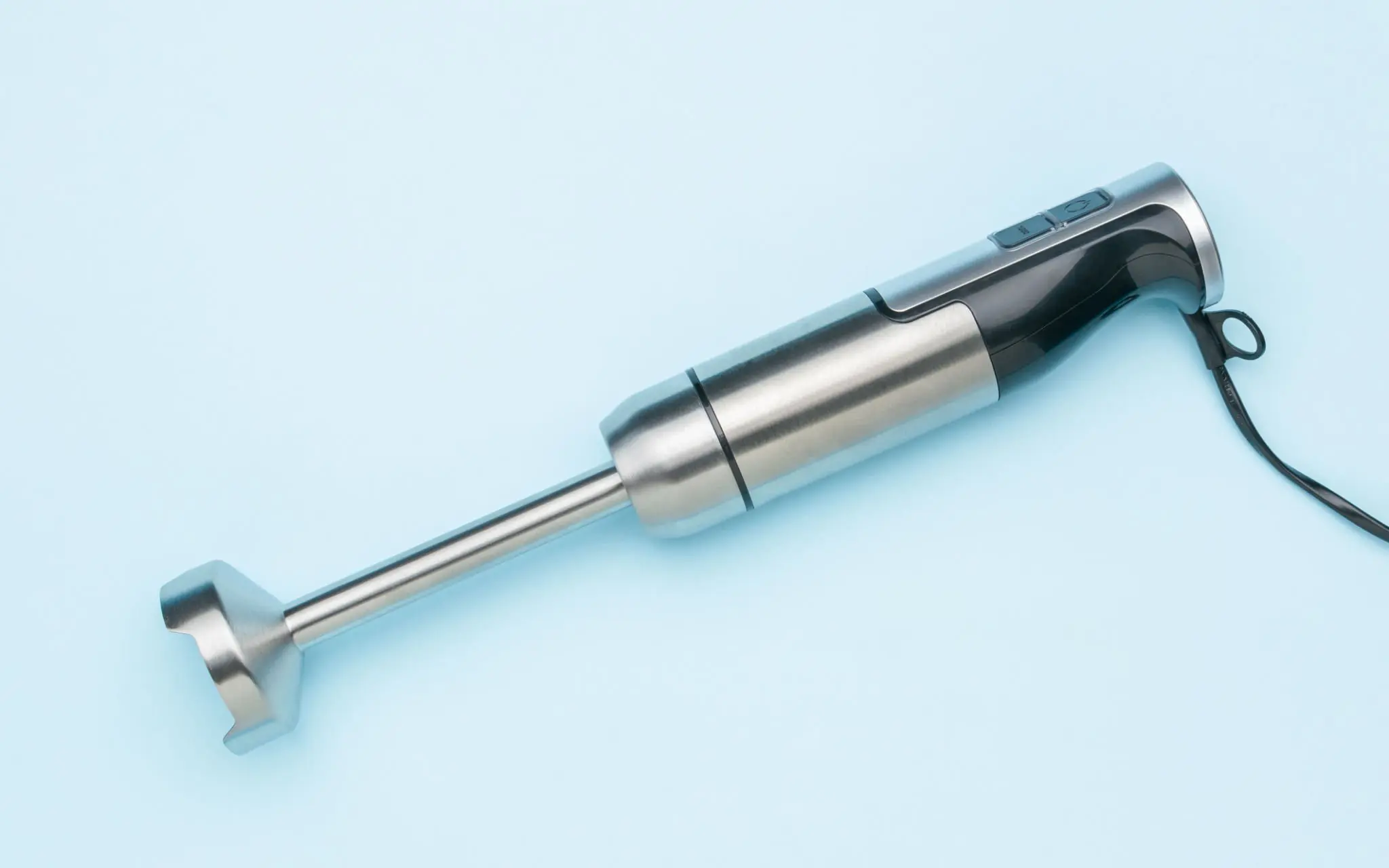
An immersion blender actually feels comfortable in your hand. It’s great when you want to blend a hot soup, sauce or make a smoothie right in your cooking pot or glass.
Then you get the blade on the end that spins really quickly, pureeing food and liquid really quickly and really smoothly. Vortex-style models, like the Hamilton Beach with its wide guard and big vents, pull food down to the blades, which means less work for you and a smooth finish every time.
Non-vortex ones, as some Breville models do, avoid the vortex altogether and you’re left moving the blender around more. You get to blend smaller batches, such as salad dressings or whipped cream, without having to pour everything into a separate bowl.
That’s 15% off regular price, excluding tax and shipping.
Why Choose Stick Over Stand?
Stick blenders, or immersion blenders, add a whole other dimension of convenience to your kitchen prep. If you want to puree soup right in the pot, a stick blender is the right tool for you. Not to mention, it has never been easier or mess-free to create a quick smoothie!
We found this model to be the best at whipping small batches in a hurry. It’s ideal for culinary professionals working in the world’s busiest kitchens and at home with compact environments that require seamless transitions from one activity to the next.
Unmatched Convenience and Speed
Stick blenders truly shine in situations where you need to blend on the spot. You scoop it, mix your sauce or soup and wash it clean. No more lugging around a cumbersome base or setting up all the individual pieces.
For some with busy itineraries or small galley kitchens, this instrument helps them reclaim both time and room. The KitchenAid Cordless Hand Blender offers unlimited kitchen mobility. Imagine walking around easily, free from being tethered to a plug!
Direct Blending Minimizes Cleanup
Cleaning up after dinner is usually the worst part. Though with a stick blender, you blend directly in the pot and only need to clean the one blade. Like various other models, many models break apart into two or three pieces.
You can readily store them in a kitchen drawer or small bedroom cabinet. That means less cleanup and fewer items on your countertop.
Handle Hot Liquids Safely
It can be a pain to blend hot soup in a stand blender, which usually results in messy accidents. Stick blenders reduce this risk considerably because you’re blending right in your pot.
There’s less manual moving of hot food which helps you work safer and keep your kitchen cleaner.
Compact Storage Solution
We know counter space is a premium, particularly in city apartments or shared housing. Immersion blenders can store in shallow, narrow drawers or cabinets.
Some even feature snap-on attachments included, such as whisks or choppers, that store directly on the main tool.
Streamlining Commercial Kitchen Workflows
In restaurant kitchens, where prep must move quickly and cleaning is key, that’s a different story. Chefs reach for stick blenders to rapidly puree sauces or soups directly in large stock pots.
Staff fly, changing attachments to dice, puree, or whip without ever switching out a machine.
Choosing Your Ideal Immersion Blender
The key to choosing the right immersion blender is knowing exactly what you plan to use it for. Well, you have some serious thinking to do! No matter the size of the decision, each one represents a big moment of truth for how well everything works together in your kitchen.
Below, you’ll find what to look for, what to watch out for, and what matters most as you figure out your choices.
1. Define Your Primary Blending Tasks
Your primary application determines what is best for you. If you want smooth soups, you’ll want a blender that can puree fibrous root vegetables in four minutes or less. For smoothies, choose one that can make a perfectly blended one in two minutes or less.
To make whipped cream or mayonnaise should be well under a minute. Very few blenders can adequately crush ice. Only one out of every hundred can handle tough jobs such as celery soup or chickpeas without leaving any chunks in their wake.
2. Understand Motor Power Impact
Look for at least a 625 watt motor in your countertop blender. This provides you with greater strength for denser mixes, such as nut butters or frozen banana ice cream.
3. Examine Blade Design Differences
Blade shape affects the efficiency of blending. Certain monsters make you jerk them up and down repeatedly. Some even spin up a vortex to pull all their food into the center.
A handful, such as the Braun’s “ActiveBlade,” oscillate up and down with the spin avoiding while to make short work of heavy lifting.
4. Consider Shaft Length Needs
The long, handheld design of the immersion blender allows you to easily reach deep into tall pots or pitchers, making it a versatile kitchen appliance for churning up big batches with ease.
5. Evaluate Variable Speed Controls
Variable speed options in a personal blender allow for increased control with both soft and hard food items, helping to prevent over mixing.
6. Weigh Corded vs Cordless Tradeoffs
While cordless blenders are convenient, a personal blender likely won’t last as long on a charge.
7. Assess Build Quality for Longevity
Test the ergonomics and weight. It needs to feel comfortable enough that you could hold it with one hand for at least a minute.
Consider warranty and after-sales support as well.
8. Explore Available Attachments Value
Many countertop blenders include bonus items such as a chopper attachment, mixing jug, and whisk, enhancing their versatility for everyday blending.
9. Factor Noise and Energy Use
Even if noise isn’t a primary concern, a quieter countertop blender will improve your general time spent in the kitchen. A lower wattage will use less electricity, but the product will likely take longer to effectively blend.
10. Balance Features with Budget
Whether you’re a casual cook or an aspiring chef, you seek the perfect balance of price, performance, and ease of use in versatile kitchen appliances.
Mastering Immersion Blender Techniques
Learn how to conquer the immersion blender and whip up silky soups and sauce holding emulsions. Create sweet and savory dishes like these with this one, versatile tool! The right technique and equipment go a long way.
A blender with a 200 to 300 watt motor can break down dense foods, grind nuts, and handle frozen fruits without struggle. The slim head and soft touch grip provide you with total control, even when you’re on the stick. Now you can blend without tiring your wrist or splattering the kitchen with hot soup!
Achieve Velvety Smooth Soups Purees
Whether you’re working with soups or purees, consistent blending is key. Begin at the lowest speed possible and maintain only the bottom half of the head submerged. This reduces the chance of splashes and makes sure all the bits blend smooth.
Let hot soups cooldown a few minutes off the heat before blending. To prevent splattering, use a tall cup if you are mixing cold ingredients. Like this, butternut squash soup or bean puree becomes velvety, without a single lump.
Create Stable Emulsions Easily
To create stable emulsions, such as mayo or vinaigrette, you require two immiscible liquids. The immersion blender can accomplish this all in mere seconds.
Add oil in a thin stream while blending, and you’ll watch the mixture become luscious and smooth. This method works for hollandaise and creamy dressings as well.
Whip Up Quick Drinks Sauces
You’ve got the power to create fresh smoothies, shakes and sauces directly in the mixing cup. Whip up smoothies with frozen fruit, like berries or bananas, or quickly puree a tomato sauce.
Using ice cube trays, you can freeze tasty leftovers for the entire week.
Tackle Fibrous Ingredients Effectively
Greens, nuts, or seeds all emulsify beautifully with the right power from a personal blender. A powerful motor is essential for breaking down spinach in green juice or almonds in homemade nut butter.
Unlock Specialized Recipe Potential
After a little time and practice with your personal blender, you will be blasting your own whipped cream, nut butters, and even tackling meal prep kit preparations. Simply clean the blending head after each use and don’t run high-pH solutions through the immersion blender.
My Take: Underrated Immersion Perks
If it’s all about output in your busy kitchens, that’s right — each of you wants greater capability with less complication. With the immersion blender, you have a laid-back solution to some of your biggest kitchen frustrations. It’s portable, pet friendly, low maintenance, and works on demand!
You feel it very quickly when you want to puree a soup right in the pot. This really hits home when you need to make a sauce on the fly. With this tool, every minor or impromptu integration job isn’t such a huge deal and a lot more manageable.
The Secret Weapon for Texture
Creating a smooth texture is much quicker if you opt for an immersion blender. For example, let’s say you are preparing a soup and you’d like it pureed completely smooth in some areas and partially smooth in others. Simply submerge the blender for 4 or 5 seconds, remove, and look inside.
No need to transfer steaming soup from pot to blender and back. Then when you prepare sauces such as pesto or hummus, you whip up a smooth mixture. You can stop at any time to retain some of the crunch in the pile.
You’ll see it when you make hot sauce or whipped cream—no unexpected explosion onto the ceiling or curdling.
Perfecting Small Batch Creations
When you need just one portion of homemade mayonnaise or a dollop of fresh salsa, the immersion blender really comes into its own. Daniel, for instance, enjoys the ritual of making mayo from scratch by hand, but the immersion blender saves him a lot of time and work.
Mini recipes for hummus or pesto have few ingredients and can be done in under 10 minutes. Homemade hummus comes out to around the $2.50 mark, well below most name brand offerings.
That means you get more control, save more money, and waste less food.
Surprising Kitchen Task Solutions
Here’s how you can use the immersion blender for much more than blending. Whether you want to chop up nuts, mix together a salad dressing, or just make pancake batter quicker, it does the job.
When you sign up for sustainable, refillable water filters, you’ll receive 30% off your first Pack of filters. This promotion is a great opportunity for those who want to take the effort to maintain a clean and fresh tool!
Keep Your Blender Running Strong
A good maintained immersion blender adds so much convenience in your kitchen. With regular maintenance, you’ll enjoy velvety soups, frosty smoothies, and even whipped cream to crown an ice cream sundae.
Even a quick 20-minute charge can power through a Triple Berry smoothie or blend a warm batch of Tomato Basil Soup. This gadget tackles first-stage purees, allowing you to add extra liquid to create a thin, even consistency.
Some brands such as KitchenAid® have models with removable, dishwasher-safe mixing arms, thus turning clean up into a quick chore. Cordless blenders even offer you more freedom, giving you the ability to move around a cord while it’s plugged in would get in your way.
Smart Cleaning Best Practices
Cleaning immediately after use prevents food from hardening on the blades. Run the blending arm under hot water. Or mix up a cup of soapy water and blend it for a minute, then rinse thoroughly.
For models where arms can be removed, throw them in the dishwasher. That saves a lot of elbow grease in dishwashing. Wipe the handle and motor base of blender down with a damp cloth.
Never allow the electrical cord or motor to become immersed in water.
Essential Long-Term Maintenance Tips
Inspect for loose components regularly. Check the blade for nicks or dull edges. Next, put the blender away in a manner that prevents the blade from hitting things and bending out of place.
A drop or two of food-safe oil on the blade ensures the blender is going to keep running. Fully charge cordless models before putting them into storage.
Always make sure to use your maker’s care instructions for the best outcome.
Common Problems Quick Fixes
If your blender is running slowly, make sure there’s no food trapped inside the blade guard. Dump that dirty water out, rinse, repeat.
To avoid this sort of lumpy blend, use a higher cup and submerge the blade. Otherwise, your model will occasionally run longer than normal, with some slower models going up to a minute.
In such cases, it’s frequently the shape of the head that is the deciding factor. Check for cracks or frayed cords too, and replace any damaged components immediately.
Conclusion
Your kitchen will thank you with an immersion blender. From silky soups to aluminum-smooth sauces, create speedy results instantaneously right in the pot. Clean up is a breeze, too—no heavy equipment or additional bowls to wash out. You save time and the cleanup hassle goes down the drain. Even thick shakes or whipped cream calls for only a pulse. Whether you’re blending up piping hot mixes or creating artsy, homemade dressings, you learn new tricks along the way. A good quality immersion blender should last years with proper use, washing immediately after use, and inspecting the blades. Experiment with a handful of novel dishes or exchange tricks with your peers on making the most of them. Do you have an approach to sauce or soup that you’ve developed around your immersion blender? Send it through in the comments and let’s keep the inspiration coming.
Frequently Asked Questions
What can you blend with an immersion blender?
From soups to sauces to smoothies—and even whipped cream—the immersion blender can do it all. This versatile kitchen appliance is ideal for pureeing cooked vegetables directly in the pot, and some models even include a chopper attachment for culinary creativity.
Is an immersion blender the same as a hand blender?
The terms “immersion blender” and “hand blender” are interchangeable, referring to a versatile kitchen appliance that allows for easy blending of liquids directly in your bowl, pot, or cup.
Can immersion blenders crush ice?
Standard immersion blenders, while versatile kitchen appliances, rarely do well with ice. Occasionally, some high-powered models with specialized blades can tackle small ice cubes, but it’s best to consult the manufacturer’s recommendations before attempting.
Are immersion blenders easy to clean?
Most immersion blenders, known for their versatility as a reliable kitchen tool, have removable blending arms that can be tossed in the dishwasher for easy cleaning, ensuring effortless cleanup.
Why choose an immersion blender over a stand blender?
Immersion blenders are quite light, making them a versatile kitchen appliance that is easy to maneuver and store. You can blend right in your pot or cup, translating to less mess and fewer dishes than using a regular countertop blender!
Will an immersion blender scratch my pots?
Fortunately, most modern immersion blenders, a versatile kitchen appliance, boast plastic or coated blades to prevent any harm to your cookware. To avoid scratching your pot’s surface, do not drag the blade along the bottom.
How long does an immersion blender last?
With frequent use and care, a good immersion blender will serve you for at least 3–5 years, if not longer.
Care tips
No matter what home appliance you own, always abide by the manufacturer’s care instructions to make them last.

ElectMix Team provides global e-commerce sellers and distributors with insights on commercial blending solutions, OEM customization, and profitable market opportunities.


