 Skip to content

- Key Takeaway
- What is a Commercial Blender?
- Key Features of Commercial Blenders
- Benefits of Premium, Energy-Efficient Blenders
- Factors to Consider When Selecting a Blender
- Industries That Rely on Commercial Blenders
- Frequently Asked Questions
- What is a commercial blender used for?
- How is a commercial blender different from a household blender?
- What should I look for when buying a commercial blender?
- Are energy-efficient commercial blenders worth it?
- How can I maintain my commercial blender?
- What industries rely on commercial blenders?
- What’s the average cost of a commercial blender?
Key Takeaways
- These robust machines are purpose-built to withstand the rigors of daily, heavy-use commercial environments, such as restaurants, bars, and health care facilities. They differ from residential models in their increased durability, more powerful motor, and warranty coverage.
- Purchasing a commercial blender increases your capacity to handle large volumes and variety of ingredients. This efficiency is key to producing reliable outcomes in classroom and other professional settings.
- High-performance features including high-speed motors, preprogrammed cycles and sound enclosure technology improve performance, minimize noise and help make operations more efficient. These features are crucial for maintaining a productive and customer-friendly environment.
A commercial blender’s the ultimate kitchen workhorse. It’s made to withstand commercial-grade, everyday use in your restaurant, cafe, or other food service establishments.
From smoothies to soups, this commercial-grade workhorse blends, purees, and even crushes ice with ease. The basis of this power lies in its ultra strong motor and high-capacity pitchers.
Durable enough for commercial use, these blenders minimize prep time while delivering perfectly blended results every time. They’re powered by heavy duty motors and feature variable speed controls along with powerful blades.
These features help meet varied culinary demands, making them indispensable workhorses in any professional kitchen.
What is a Commercial Blender?

A commercial blender is a high-performance, high-quality appliance that’s purpose-built for the demanding commercial environments of restaurants and bars. Unlike residential blenders, designed for occasional household use, commercial blenders are designed for commercial duty.
First off, these machines feature killer motors often ranging from 1,000 to 2,000 watts and up. Their high-powered blades smoothly zip through difficult ingredients such as ice, frozen fruits, and fibrous veggies. These appliances are specially designed to be used all day long with as many as 50 to 100 blending cycles, never sacrificing quality and efficiency for power.
The outcome is a proven, workhorse tool that doubles down on efficiency and consistency in high-pressure environments.
1. Define Commercial vs. Residential Blenders
Commercial blenders are built more for their durability, warranty, and application. Residential blenders tend to be cheaper. The overall construction is not as heavy duty, thus, not meant for excessive or commercial use.
A residential blender will burn its motor out rapidly if placed into a commercial environment. You’ve probably already gone through blade wear after only a couple cycles. Most other manufacturers similarly void warranties if consumer models are used in commercial settings, highlighting the inherently restrictive scope.
This is the opposite with commercial blenders, which are designed to be durable. Their professional grade features, including fortified blades and commercial motors, are built to handle demanding, daily use.
For example, a restaurant preparing hundreds of smoothies daily benefits from a commercial blender’s ability to maintain consistent texture and quality. This durability ensures operational efficiency and prevents downtime due to equipment breakdown.
2. Explore Typical Commercial Applications
While commercial blenders perform wonderfully in all industries, none do it better than hospitality and healthcare. Restaurants and bars rely on these commercial blenders to prepare fresh smoothies, cocktails, and pureed foods.
Healthcare facilities rely on them to fulfill highly specialized diets and nutritional needs. Their versatility makes them ideal for blending various ingredients, from fibrous leafy greens to hard nuts, for perfectly smooth, consistent results every time.
Some commercial blenders come with 30 to 42 preprogrammed cycles designed for specific recipes, making operations easier for kitchen staff. This attribute is priceless in commercial spaces, where time and accuracy are vital.
3. Discuss Performance and Durability Differences
Commercial blenders are designed for durability. Their materials, from their stainless steel blades to the high-impact housing, stand up to regular wear and tear.
Safety features such as thermal protection and overload sensors protect against overheating, keeping the appliance working even through continual use. In contrast to residential models, commercial blenders are designed with maintenance in mind and for the rigors of long-term use.
Key Features of Commercial Blenders
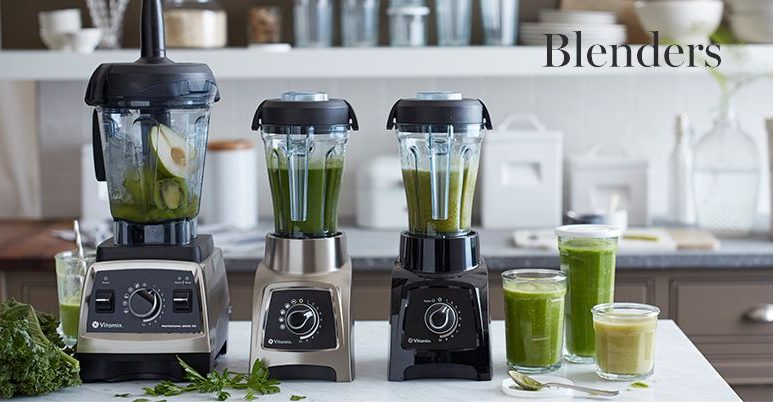
High performance, versatile and efficient, commercial blenders have become the essential workhorses in a business environment. These workhorses shine in high-demand settings like cafes, restaurants, and juice bars. They accommodate a wide range of culinary applications, all the while providing repeatable, reliable outcomes.
Let’s explore some of the key features that make commercial blenders the best among the rest.
1. Analyze Durable, High-Speed Motor Performance
Numerous technologies aside, a strong motor is the foundation of every trusted commercial blender. High horsepower motors – up to 2 to 3.5 HP. Most importantly, they deliver serious torque to smoothly blend denser ingredients like frozen fruits, nuts, and ice.
This feature provides ultra-smooth, consistent textures, which is critical in maintaining consistent customer satisfaction. One example is that making a consistent silky smoothie under 30 seconds becomes realistic with increased motor power.
In addition, motor performance plays a key role in productivity. Commercial blenders with high-performance motors can handle batch after batch without overheating, a must in fast-paced operations.
When evaluating different models, pay attention to the motor’s wattage capacity and its built-in cooling features. For instance, brands like Vitamix and Blendtec integrate thermal protection to prolong motor life, allowing uninterrupted blending even during peak hours.
2. Explain Preprogrammed Cycles for Consistency
Operations are made surprisingly easy with preprogrammed cycles that automate common blending tasks. These cycles simplify recipes, providing the same result no matter who is using the machine.
For instance, a pre-programmed cycle for frozen beverages ensures consistency in texture and flavor, which is extremely important when it comes to brand consistency. Most of them offer preprogrammed settings for soups, sauces, smoothies, etc., taking a lot of the guesswork out.
Beyond saving staff time through the convenience of preprogrammed settings, training time is greatly reduced as well. Employees are able to rapidly train on and operate the machine with unmatched effectiveness, increasing efficiency in stressful, fast-paced environments.
This is particularly advantageous for businesses in industries with rapid staff turnover.
3. Describe Sound Enclosure Technology
With most commercial uses, noise is a major factor. Sound enclosure technology, found on high-end models, greatly reduces run time noise. This is an especially important feature in cafes and open kitchens, where high noise levels can ruin the customer experience.
By helping to achieve a quieter space, commercial-grade blenders can help businesses create the inviting ambiance that keeps customers happy and coming back.
4. Highlight Customization and Control Options
Commercial blenders have a wealth of control options, ranging from a simple manual dial to complex digital touchscreens. Operators can easily input settings to create customized blending cycles for a variety of recipes.
This allows for unmatched accuracy in preparation tasks like emulsifying sauces or cutting vegetables. Advanced models that allow for programmable interfaces take the user experience a step farther, quickly simplifying robust preparations with the brush of a finger.
5. Discuss Versatility in Food Preparation
With the right accessories and attachments, the versatility of commercial blenders can take their usefulness far beyond just blending. They perform diverse tasks, including making purees, grinding grains, and even heating soups through friction.
This versatility is an invaluable asset to professional kitchens, minimizing the need for multiple appliances, thus saving space and cost. For instance, one commercial-grade blender can go from making a batch of nut butter to ice crushing for a cocktail in one motion.
Benefits of Premium, Energy-Efficient Blenders

Here’s a closer look at how investing in premium, energy-efficient blenders provide businesses with an unbeatable value packed with durability, functionality and savings on operations. When designed to sustain the extreme loads of commercial settings, these appliances are optimized to deliver professional performance while maximizing long-term cost savings.
Below, we take a deeper look at each of these benefits.
1. Detail Energy-Saving Operation
Premium blenders that feature energy-efficient motors reduce electricity use while running by a substantial margin. A premium, high powered motor (like 1,400 watts) tackles tough ingredients for smooth results while reducing energy use. This allows businesses to do high-volume blending jobs—producing sauces, soups, or smoothies, for example—while avoiding utility bill spikes.
Cumulatively, these savings go a long way to deliver critical financial relief. They save the environment by using fewer materials during their use phase, which is an inherent part of corporate social responsibility. A commercial kitchen using such appliances demonstrates a commitment to eco-conscious operations, which can resonate with customers and enhance brand reputation.
2. Explain High Volume, Low Noise Advantages
Premium blenders are designed to deliver high performance quietly, which is a huge advantage for both staff and customers. Low noise levels improve the work environment by letting employees easily communicate without raising their voices over noisy equipment.
For customer-facing businesses such as cafés, this reduces operational interruptions, helping create an enjoyable dining experience. These premium energy-efficient blenders provide great performance without all the racket. They let you crush ice and make nut butter efficiently and quietly, which is ideal for a productive and pleasant environment.
3. Discuss Long-Term Cost Savings
Durability of premium blenders gives them a cost-effective edge over cheaper blenders. Constructed with top-grade components, like BPA-free kitchen-grade heavy duty plastics, these appliances are designed to last daily use. This lowers both replacement and maintenance costs, allowing limited budgets to be spent on other priorities.
Minimizing downtime is crucial. Reliable equipment cuts downtime, increasing productivity. Dough-sheeting tasks that would take minutes by hand now are completed in seconds. This cuts down the time for workflow, freeing staff up to focus on other essential duties.
4. Highlight Ergonomic Design Benefits
Ergonomic considerations, from the easy-to-grip handles to the lightweight body design, put less strain on the user, which matters during demanding kitchen shifts. These ergonomic and intuitive designs don’t just mitigate operator fatigue; they boost efficiency in fast-paced, high-pressure kitchen environments.
One example is the 48 ounce pitcher which is the perfect sweet spot between productivity and usability where your staff can effortlessly perform their tasks without feeling overwhelmed.
Factors to Consider When Selecting a Blender

This helps ensure that the equipment will best serve their operational needs, especially when considering high performance food blenders. From evaluating operational capacity to anticipating performance requirements, every choice can significantly impact operational efficiency and customer loyalty.
1. Assess Volume and Usage Needs
Finding the right size blender first involves figuring out what you want to blend and how often. High-volume operations such as smoothie bars, as well as restaurants and cafés with full beverage menus, require larger-capacity blenders.
These blenders, commonly over 64 ounces, are needed to keep up with customer rush times. Conversely, for smaller businesses, mid-sized containers, perhaps 48 ounces, may be adequate. Underestimating capacity can lead to huge inefficiencies.
As an illustration, you’d be forced to blend several batches just to meet one order, wasting precious time and energy in the process. For example, a café that misjudges its spike in volume can throw a rush during peak hours into disarray, leaving customers unsatisfied with their experience.
2. Evaluate Power and Performance Requirements
Motor Power Both the quality and speed of blending are directly related to motor power, or wattage. If you plan on doing impressively heavy-duty tasks, blenders with motors rated at 2 horsepower or more will perform best.
They consistently pulverize ice into smoothies and blend hearty elements like nut butter seamlessly. For lighter workloads, such as blending soft fruits or liquids, a motor with slightly lower power, around 1.5 horsepower, may suffice.
High-performance blenders usually come equipped with variable speed controls and pulse functions, giving businesses the power to create the exact texture they desire. A pro-grade high-power blender ensures silky-smooth results when you whip up your favorite frozen drinks.
Conversely, flaccid models rarely deliver anywhere near that amount of awesomeness.
3. Consider Jar Material and Capacity
Most blender jars are made from glass or plastic (preferably BPA-free plastic). Glass jars are safer and more sustainable, and the more durable glass jar is nearly scratchproof, so it can take on hot blending tasks such as soups.
On the downside, they’re more cumbersome and prone to breakage if dropped. Plastic jars are lighter and impact-resistant, though they can scratch over time.
Businesses should be aware of jar capacity when creating their menu and product offerings. This leads to proper portion sizes, ensuring that jar size matches and avoiding unnecessary waste.
A sturdy, dishwasher-safe jar is essential for high-volume usage, ensuring minimal downtime between orders.
4. Check for Safety and Sanitation Certifications
Commercial blenders need to have safety standards, like ETL or UL certifications, guaranteeing safe operation. Certifications such as NSF demonstrate your dedication to the highest food safety standards.
This is especially important to maintain cleanliness and develop consumer loyalty. Features such as removable blades or sealed buttons simplify cleaning procedures, lowering the likelihood of contamination.
5. Determine Noise Level Requirements
Noise levels are an often-overlooked consideration, but they can set the tone for your entire business, particularly in customer-facing spaces such as coffee shops.
As such, models with integrated sound enclosures or sound-dampening designs would make the best fit for those looking to keep their environment quieter. Although high-performance blenders are usually loud, choosing the right amount of power without all the noise should be a goal.
For instance, a blender being used in a hospital cafeteria may need tighter noise specifications to meet industry standards.
Industries That Rely on Commercial Blenders

As you can see, commercial blenders are vital machines in many different industries, providing tailored solutions for unique operational requirements. These commercial blenders offer superb performance, longevity and accuracy. As such, they are indispensable tools for any enterprise trying to produce high-quality, highly consistent, or otherwise-similar outputs.
Here are some major industries that depend on commercial blenders and how they meet industry-focused needs.
1. Restaurants and Food Service
Commercial blenders have become an indispensable tool for restaurants to use when creating versatile menu items. Whether it’s smooth, creamy soups or colorful fruit smoothies, having the capacity to seamlessly blend a variety of quality ingredients is essential. Chefs often turn to these machines to quickly create fresh sauces, dressings and batters.
This allows them to ensure that texture and flavour always meet customer expectations. Food service environments need powerful, flexible blenders. They need to be able to crush everything from fragile herbs to heavy, frozen fruits. For instance, high-powered blenders with variable speed controls provide the flexibility to get creative with recipes without sacrificing consistency across the kitchens.
The accuracy of these tools has a direct effect on food quality, which is vital for customer experience and repeat visits.
2. Bars and Beverage Services
In bars, commercial blenders are essential in the bar and beverage industry for cocktail mixing, frozen drinks, and specialty drink production. In these fast-paced, high-stakes environments, speed and precision must go hand in hand. Blenders with pre-programmed settings or pulse function allow bartenders to whip up consistent product, even at the height of happy hour.
For instance, frozen margaritas and daiquiris require a smooth texture without chunks of ice, which only specialized blenders can deliver. These machines help improve service speed, lowering wait times and improving the customer experience. Consistent beverage quality is crucial for retaining patrons, as it builds trust and encourages loyalty.
3. Healthcare and Pharmaceutical
In clinical or medical environments, commercial blenders can make all the difference when it comes to providing specialized nutritional meals, supplements, and liquid diets for patients. Similarly, hospitals and other care facilities may crave to serve pureed foods or smoothies packed with nutrients for patients or residents with special dietary needs.
Sanitation and safety often top priorities in these environments, making sanitizable, easy-to-clean commercial blenders a perfect fit. In pharmaceutical applications, commercial blenders can mix compounds or create medicinal preparations. For instance, a hospital could easily customize protein shakes based on each individual patient’s recovery plan.
It’s an approach that ensures both safety and effectiveness.
4. Food Processing and Manufacturing
In food production on a massive scale, commercial blenders play a key role in keeping production efficient while producing a large volume of product. These versatile machines handle huge volumes of product, whether emulsifying sauces or mixing doughs or fillings. With their rock-solid reliability, commercial blenders help deliver superior quality in every product that goes out the door, an absolute necessity for brand image.
Design features such as heavy-duty motors and hardened, stainless-steel blades enable processors to accommodate round-the-clock use without sacrificing quality. Even a red sauce manufacturer needs commercial industrial blenders to ensure sharply different batches incorporate evenly.
This meticulous process gives every bottle the same great taste and freshness.
Frequently Asked Questions
What is a commercial blender used for?
A commercial blender, often considered the best blender for heavy-duty tasks, is more powerful than the average appliance. Built for frequent use, it excels in professional kitchens for preparing smoothies, soups, and sauces, making it essential in restaurants and cafes.
How is a commercial blender different from a household blender?
Commercial blenders are designed with high durability and heavy use in mind, featuring industrial strength power and greater capacity to handle demanding ingredients, making them some of the best blenders for everyday use.
What should I look for when buying a commercial blender?
Important considerations include motor strength (horsepower), capacity, ruggedness, and noise output, especially when looking for the best blender that suits your unique needs and budget!
Are energy-efficient commercial blenders worth it?
Indeed, energy-efficient models often serve as the best blenders, helping save on electricity costs and decrease our environmental impact while delivering top-notch performance for your home kitchen model.
How can I maintain my commercial blender?
Clean the best blender after each use.
Check blades, seals, and motor regularly. Inspect blades and seals for wear or damage. Always adhere to the manufacturer’s recommendations for maintenance to maximize safety and the life of your investment.
What industries rely on commercial blenders?
Food service, hospitality, healthcare, and manufacturing industries rely on the best blenders for their ability to blend at high volumes.
What’s the average cost of a commercial blender?
A professional-grade blender, often considered the best blender, ranges from $150 up to $1,000+ depending on features, brand, and overall product build quality. By purchasing a higher-end model, you’ll typically experience better performance and longer-lasting quality.
You may enjoy these related articles:
- Let’s Take A Technical Look At What A Commercial Blender Is | Part 2
- How Commercial Blenders Become the “Efficiency Engine” of the Foodservice Industry
- Core Features & Use Cases
- Top 10 Juicer Brands in 2025 (Latest)
- How to Choose the Right Commercial Blender for Your Business
- Commercial Blender Maintenance: Pro Guide to Extend Lifespan & Cut Costs

ElectMix Team provides global e-commerce sellers and distributors with insights on commercial blending solutions, OEM customization, and profitable market opportunities.


