 Skip to content

Nowadays, in the foodservice industry, whether in a busy café and juice bar, a mega restaurant, or even a home kitchen, there is a growing awareness of food safety and ingredients. Customers want fast and tasty food, but they must also be confident that the food will be prepared with non-toxic and safe equipment. This has led to the need to introduce a BPA-free blender as a necessary step for both businesses and households.
BPA is a common chemical that is used widely in plastics and is a cause of concern because it can leach into food and beverages. When it comes to restaurants and juice stores that use blenders in their daily operations, not only would the health risk be reduced by purchasing a BPA-free commercial blender, but the credibility of the customers would also be secured.
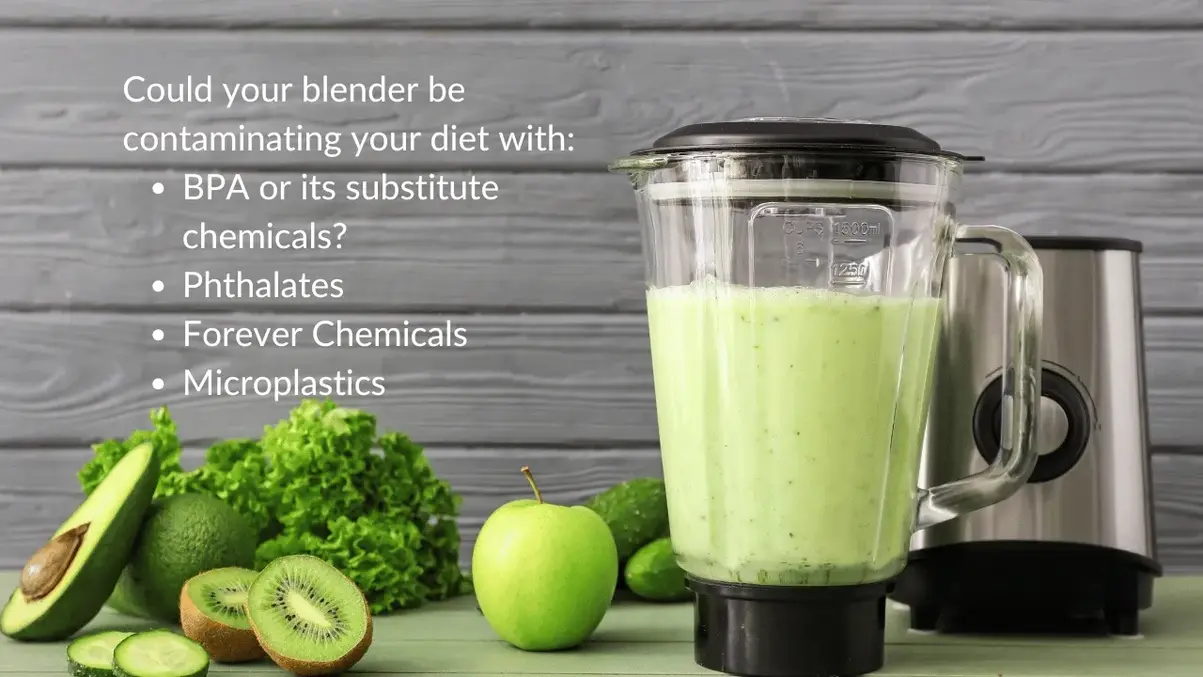
Besides safety, material choices also influence durability and long-term performance. The best BPA-free blenders can be used daily in a busy kitchen, operate with ease on ice, frozen fruits, and nuts, and remain intact without compromising safety. The presentation of standard safety considerations, such as an FDA-approved blender, will provide customers with confidence that it is a responsible and compliant decision.
Compliance with regulations is not the primary reason for adopting BPA-free materials; rather, it is about having a healthier customer, ensuring brand longevity, and providing a less toxic and more environmentally friendly foodservice environment.

Understanding BPA & Health Concerns
Bisphenol A (BPA) is a synthetic material that is typically involved in the manufacture of plastic and resins. It commonly appears in food containers, water bottles and most crucially, jars on the blenders. BPA is also strong and transparent and therefore, it is popular in the manufacturing process.
Risks of BPA in Plastics
The main reason for BPA is that it can leak out of the plastic containers and into the fish or the water surrounding it. Leaching can be accelerated by high temperatures, extended use or mechanical or physical damages to the plastic. BPA can become estrogenic in the body leading to hormonal imbalances when ingested.
Research has linked BPA exposure to many health-related issues, including Reproductive health-related disorders, childhood developmental issues, predisposition to some cancers. These health risks help emphasize the need to source out materials that do not have BPA especially in food-related products like a blender that come into direct contact with food.

The Shift to Non-Toxic BPA-Free Blenders
The possible risk posed by BPA is leading to lots of consumers and businesses shifting to BPA-free business blenders. These blenders do not use BPA and prefer other materials and hence, the risk of chemical leaching into food also remains minimal.
The trend of non-toxic and BPA-free blenders is not a trend, but a proactive action that relates to the safety and the consumer’s health. One way individuals and businesses can minimize the risks of exposure to BPA is to choose blenders manufactured using non-toxic substances thus making the environment healthier and giving customers confidence.
Global Trends & Market Demand BPA-Free Materials in Commercial Blenders
Increasing Regulations in the EU (REACH), US (FDA), and Other Areas
Food contact material regulations are becoming increasingly stringent worldwide. The REACH regulation in the European Union also requires that every chemical used in production be registered and assessed for safety, which is why there is a preference for using REACH-certified blenders that adhere to these high standards.
On the same note, in the United States, the Food and Drug Administration (FDA) is the body responsible for regulating the safety of food contact materials, including those used in blenders. Although the FDA has claimed that BPA is safe at the current level of exposure, increasing consumer demand for safer products has prompted manufacturers to develop FDA-approved blenders with higher safety standards.

Growth of BPA-Free Blenders as Sustainable Kitchen Appliances
The demand for eco-friendly, BPA-free blenders is driven by consumer awareness of environmental sustainability. Such blenders are made from safe and environmentally friendly materials.
In their quest to appeal to consumers with environmentally conscious habits, companies are becoming increasingly oriented towards sustainable operations, including the use of recyclable manufacturing materials and minimizing energy consumption. This change aligns with the general trend of sustainable kitchen appliances, as customers become increasingly demanding of products that can help make the world healthier.
Buyer Preference: Safety, Trust, and Durability
The modern world consumer cares about the safety and longevity of the kitchen equipment they choose. The high health and safety issues are one of the major concerns for high demand for BPA-free commercial blenders. Now the consumers are becoming increasingly challenged by the need for products with a long lifespan. That’s why they prefer those products that carry certifications ensuring their quality and safety.
Certifications & Compliance: What Buyers Should Look For
Choosing a BPA-free certified blender is a crucial decision for businesses and consumers who prioritize safety, quality, and reliability. The certifications ensure that the materials used are non-toxic, durable, and meet international standards. The most important commercial and professional blender certifications are FDA approval and REACH compliance.
| Certification | Region | What It Ensures | Importance |
| FDA Approved | United States | Safe food-contact materials, no harmful chemicals | Reduces liability, ensures safety |
| REACH Certified | European Union | Compliance with chemical & environmental safety rules | Required for EU market entry |
Why Certifications Ensure Reliability in Commercial Blenders
Certifications prove that a blender is safe, non-toxic, and durable for long-term use.
- A BPA-free professional blender with FDA and REACH certifications ensures consumer health and safety.
- Certified blenders are built to handle heavy commercial use without compromising performance.
- Designed for high-performance and high-volume blending, making them ideal for:
- Cafes
- Juice bars
- Small businesses need both safety and efficiency.
Types of BPA-Free Blenders for Commercial Use
The selection of an appropriate BPA-free commercial blender is based on the specific needs of a particular business, the frequency of usage, and the type of drinks or food being prepared. The most common ones that can be applied in a commercial environment are listed below:

BPA-Free Commercial Countertop Blenders
High-volume performance
These blenders typically have a range of 1,000 to 1,400 watts, and thus suitable for restaurants, cafes, and juice bars. One can use them for consistent blending to produce large quantities of such beverages.
Durability and safety
BPA free is a sign that these are made of food-grade material so no worries regarding any harm to the health. Not only this, BPA-free blender jars are so durable that they can handle ice, frozen fruits, nuts, and thick smoothies without any material loss.
Versatility
Most countertop models offer variable speed options, a range of blending programs, and large-capacity jars. All these qualities combinedly make them versatile for both single servings and bulk meals to be blended.
BPA-Free Smoothie Blenders
Designed to fit in cafes and juice shops
These blenders are designed to deliver a smooth texture and efficiency in mind. Thus making them ideal for busy areas where time and consistency are paramount.
Health-safe and toxic-free
With the help of BPA-free plastic blender jars, smoothie blenders eliminate the risk of chemical exposure, making them safe for both employees and customers.
Compact and lean:
Most models are compact, despite having the power required to run any business, which means they can fit on smaller counters or be easily carried around.
BPA-Free Commercial Countertop Blenders
Importance in Commercial Kitchens
BPA-free commercial countertop blenders are essential in commercial kitchens, such as restaurants, cafes, and juice bars, to provide both power and reliability. Between 1,000 and 1,400 watts are especially useful for high-volume operations with thick mixtures, such as those containing ice, frozen fruits, and recipes with nuts.
Safe & Food-Grade Design
These blenders come with food-grade, BPA-free blender jars, so that no dangerous chemicals can soak into drinks during heavy use.
Durability for Long-Term Use
They are invested in businesses that last long and can be utilized over time due to their durability. It is easy to prepare any kind of food, whether it is smoothies or sauces, as they have flexible speed controls and various preset programs. This translates to safety, consistency, and efficiency in busy establishments.
BPA-Free Smoothie Blenders
In juice shops and cafes, BPA-free smoothie blenders are highly demanded equipment. These are special machines designed to produce a smooth texture with no lumps, which is crucial for customer satisfaction in smoothie-based companies. Constructed from health-safe, BPA-free plastic jars, they eliminate the risk of chemical interactions, even with acidic fruits or chilled drinks.
They are compact and efficient in saving valuable counter space, yet they still deliver the high performance required in a fast-paced setting. It could be fruit smoothies, green blends, or frozen beverages, but these non-toxic BPA-free blenders are safe and fast without losing the outcome.

BPA-Free Portable and Personal-Use Blenders
Besides the commercial models, BPA-free portable blenders suitable for use in small businesses or on the job are also in high demand. They are portable, lightweight devices, many of which have USB or rechargeable power sources. They are the greatest asset in that regard, as health-conscious individuals often carry them.
Their single-serving properties qualify them for use in making smoothies, shakes, or protein drinks. In contrast, their non-toxic, BPA-free substances ensure beverages that are safe and free from chemical leaching. These convenient, durable BPA-free blenders are suitable for use at home, in small cafes, or among fitness enthusiasts, providing a safe and reliable option.
Categories of BPA Free Commercial Blenders by Power
| Wattage | Typical Use | Key Notes | Recommended Food Types |
| Under 400 W | Personal use, small servings | Compact, low power; | Smoothies, soft fruits, milkshakes |
| 400–700 W | Home or light commercial use | Handles medium-consistency | Smoothies, sauces, light soups |
| 700–1,000 W | Moderate commercial use | Ideal for smoothies, ice crushing | Ice, frozen fruits, smoothies, purees |
| 1,000–1,400 W | High-volume commercial use | Perfect for restaurants, juice bars | Thick smoothies, nut-based drinks, sauces |
| Over 1,400 W | Professional/commercial kitchens | Maximum power for dense mixtures | Nut butters, doughs, frozen desserts, heavy sauces |
Material Advantages of BPA-Free Blender Jars
Probably the most significant material benefits of BPA-Free Blender Jars are the following:
The selection of the material of the blender jar depends on the safety, performance, and durability. When using BPA-free jars, there are several benefits to the new blender jars, whether for commercial or personal use.

BPA-Free Food Grade Blender Jars
Blends both hot and cold: Good food-grade BPA-free blender jars can blend smoothies, soups, sauces, and frozen beverages without leaching toxic chemicals.
Tough BPA-Free Blender Jars
Strengthened to withstand heavy use: This is designed to accommodate ice, frozen fruits, nuts, and other hard ingredients. High-volume kitchens feature impact-resistant construction, ensuring longevity.
Material Comparison: BPA-Free vs Glass vs Stainless Steel
| Feature | BPA-Free Blender Jar | Glass Blender Jar | Stainless Steel Blender Jar |
| Weight | Lightweight, easy to handle | Heavy, harder to lift | Medium, manageable but opaque |
| Durability | Shatter-resistant, reinforced for ice and nuts | Fragile, prone to cracking | Very durable, dent-resistant |
| Safety | Food-grade, non-toxic, BPA-free | Non-toxic, heat-resistant | Non-toxic, does not leach chemicals |
| Transparency | Transparent, easy to monitor blending | Transparent, easy to see contents | Opaque, cannot monitor blending visually |
| Commercial Use | Ideal for high-volume, repeated use | Suitable for moderate use | Suitable for professional use, but visibility limited |
| Cleaning & Maintenance | Easy to clean, dishwasher-safe | Can be heavy and fragile | Easy to clean, may require extra care to avoid scratches |
The Business Case for BPA-Free Blenders
Food Contamination in Soups, Smoothies and Frozen Beverages
High-volume blending is used in commercial kitchens and foodservice operations for items such as smoothies, frozen drinks, soups, sauces, and dairy-based beverages. Such foods are usually acidic, contain fats, sugars, or are heated to high temperatures, which can accelerate the transfer of plastic chemicals into food. The traditional polycarbonate jars (which might have BPA) are especially susceptible to such conditions, especially when an item is mixed over a long period of time. In this context, a food-grade, BPA-free blender jar is not only a luxury item but also a crucial step in ensuring the safety and quality of products.
High RPM, Friction, and Temperature Increase Exposure Risks
High-speed and heavy-load blender motors produce high heat and friction. In cases where plastic components are subjected to high temperatures and mechanical pressures, the molecular structure may deteriorate, allowing residual chemicals to leach away.
- Scientific studies indicate that temperature is a significant factor in the migration of BPA. A study reported that an increase in temperature, from as low as 40 °C to as high as 95 °C, resulted in a significant leaching of BPA in polycarbonate products.
- It is stated that the release of BPA could increase from 20% to over 50% in polycarbonate bottles storing water at 30–50 °C with an increase in exposure time.
- The results directly apply to commercial blending, where blending frozen material, hot liquids, and high-temperature cleaning, among other conditions, all replicate those that accelerate the speed of chemical migration. Therefore, selecting a safe BPA-free countertop blender or a high-durability BPA-free professional blender will mitigate those risks.
Brand Trust, Customer Safety, and Legal Liability as Driving Factors
Consumer Expectations:
With the growth of food contact safety awareness, consumers are becoming more demanding in their equipment requirements, demanding clearly labeled, certified products such as BPA-free commercial blenders, non-toxic BPA-free blenders, or eco-friendly BPA-free blenders. Businesses that display safety certifications can establish greater trust with their customers.
Regulatory Oversight and Compliance:
In the U.S., the FDA controls materials that come in contact with food. BPA has been approved with exceptions to its application; however, the use of BPA in baby bottles, sippy cups, and infant formula packaging is already limited.
Regulatory agencies (as in the case with the EU, via the REACH) are constantly reviewing permissible limits to exposure and safety factors. Failure to comply may result in penalties, including bans, restrictions on imports, or expensive recalls.
Financial & Legal Risks:
In addition to regulatory penalties, the brand’s reputation and lost business can be at risk if consumers or clients discover that a product causes chemical migration. Maintaining a high level of material quality (certified, BPA-free materials) safeguards equity and reduces insurance/liability expenses.
OEM Customization & ElectMix Advantage
The OEM, such as ElectMix, offers a BPA-free blender, which is not only an appliance but also a strategic business move to launch or grow in the foodservice industry. ElectMix is not only the producer of FDA-approved and REACH-certified blenders, but also ensures that each product line aligns with the operational requirements and branding goals of the client.
Their process is basically based on personalization. ElectMix also offers flexibility in terms of wattage, with single-serve models starting at 400 watts and BPA-free blenders ranging from over 1,400 watts. For multiple speed options: 1-speed, 2-speed, 3-speed, or even 5-speed BPA-free blenders, tailored to meet performance needs and consumer expectations. Businesses can even develop colors, whether it’s a smooth black BPA-free blender, a minimalist white BPA-free blender, or a fashion-driven color like pink or gray, all in BPA-free blenders.
ElectMix is also effective at supporting businesses in all types of segments, including:
- Cafes and juice bars can opt for BPA-free smoothie blenders or BPA-free countertop blenders designed explicitly for high-volume blending daily.
- Startups and small businesses can opt to use the affordable, BPA-free portable blenders for personal or niche use.
- BPA-free commercial blenders would be durable, to benefit restaurants and professionals who use them continuously.
The strongest asset of the ElectMix is its focus on safety and reliability. Their BPA-free blender jars are rigorously tested for materials to ensure they are non-toxic and safe for health, featuring BPA-free materials that can be used to blend both cold and hot ingredients. In the pursuit of eco-consciousness, ElectMix also examines eco-friendly BPA-free blenders and other alternatives that do not harm the environment while maintaining high performance.
ElectMix is also involved in simplifying logistics, in addition to ensuring product safety and quality. To enter various markets in the Middle East, Asia, Europe, and beyond, they assist brands with packaging, certifications, and compliance to facilitate seamless entry. This OEM solution implies that companies will not purchase a blender, but will invest in a future-proofed line of BPA-free kitchen appliances, which will be supported by certification, reliability, and scalability worldwide.
Key Takeaways
1. Certified Trust
A blender that is FDA-approved or REACH-approved will generate credibility, offer an internationally compliant solution, and provide reassurance to health-conscious consumers.
2. Tailored Power & Speed
ElectMix is used to blend performance, offering BPA-free blenders to individuals at home under 400 watts and to commercial kitchens with high workloads, featuring BPA-free blenders over 1,400 watts.
3. Brand Differentiation
OEM customization will also allow companies to design their personal BPA-free blenders, as well as choose their own colors or customize sizes to meet and exceed the needs of competitors in crowded markets.
4. Versatility Across Sectors
OEM solutions encompass a diverse range of business models, featuring BPA-free portable blenders for travel, BPA-free blenders for coffee shops, and BPA-free commercial blenders designed for long-lasting use.
5. Eco-Conscious Advantage
Brands will attract consumers by focusing on sustainability, providing BPA-free blenders that are eco-friendly, and thereby positioning themselves as leaders in the international appliances industry.
Conclusion
The importance of BPA-free commercial blenders cannot be overstated. Whether it’s a cafeteria or a juice stand, a blender prepared using food-grade, non-toxic, and BPA-free materials is both healthy and safe for customers and employees.
For distributors, cafes, restaurants, and other commercial operators, certified blenders, free of BPA, are not only about purchasing equipment, but also about a plan and strategy that aligns with current trends in consumer safety, sustainability, and commercial demands. By focusing on long-term well-being and certified blenders, business organizations can enhance the efficiency of their business processes, reduce their total costs, and meet the growing demand for safe and environmentally friendly kitchen appliances.
ElectMix is FDA-approved, REACH-certified, and BPA-free, a mixer manufacturer that will help modernize your business. Choose wisely with health-conscious customers, giving them performance and a sustainable future in the foodservice industry.

Marketing & Product Lead at ElectMix | Innovating Commercial Blenders & Home Appliances | Driving Growth & Development


