 Skip to content

- Key Takeaways
- What Is A Grain Grinder?
- Why Grind Your Own Grains?
- Explore Grain Grinder Types
- Choose Your Ideal Grinder
- Master Grinding Techniques
- Maintain Your Grain Grinder
- Grain Grinding Safety First
- Grinding Grains And Modern Trends
- Conclusion
- Frequently Asked Questions
- What grains can I grind with a grain grinder?
- Is grinding your own grains healthier?
- How do I choose the right grain grinder?
- How do I clean and maintain a grain grinder?
- Are grain grinders safe to use at home?
- Can I grind gluten-free grains with a regular grinder?
- What are the latest trends in grain grinding?
Key Takeaways
- Grinding our own grains at home allows us to take more control over ingredient quality, texture, and nutritional value. That translates to fresher, healthier flour for all of our recipes!
- With an investment in a grain grinder we’d be able to play around with all sorts of grains like spelt, einkorn, and millet. This expands the possibilities for intriguing flavors and inspires our chefs’ imaginations.
- Choosing the right grinder requires us to consider factors like volume, grain compatibility, grind settings, noise levels, and budget to ensure our selection suits both our needs and kitchen space.
- Mastering grinding techniques and maintaining our grinder through regular cleaning and proper storage optimizes performance, prolongs equipment life, and upholds food safety standards.
- Of course, safe operation comes first. When we respect the potential dangers hidden in moving parts and electrical components, we keep ourselves, our families, and our homes safe from harm.
- Overall, embracing home grain grinding is a big step toward living sustainably. It enables us to be healthier and find locally grown grains for more nutritious, wholesome and sustainable food.
A commercial grain grinder is an intimidating piece of machinery. It turns whole grains like wheat, corn and rice into flour or meal to use in your baking and cooking endeavors.
At home or in local food businesses, grain grinders allow us to produce fresh flour in small batches. These versatile machines can operate both manually and with a motor, and some models are capable of processing dry and wet grains.
In our practice, we’ve found that grain grinders save money and provide greater control over food quality.
What Is A Grain Grinder?
A grain grinder is a heavy-duty piece of equipment that grinds down whole grains into flour. It makes producing your own, very fresh flour at home or in a high-output commercial kitchen a total breeze. These types of machines mainly fall into three common categories… stone, burr, and impact grinders.
Each type has a different method for grinding hard grains such as wheat, rice, or oats into flour. Stone grinders work by crushing the grain between two stones. This process produces the same fine flour as all-purpose but retains nearly all of the bran and germ. Burr grinders employ two metal or stone plates that spin against each other to grind the grain.
Conversely, impact grinders work with high-speed blades or disks that grind the grains into flour through the force of impact. There’s a ton of great models to choose from, but for home use, the NutriMill Classic really stands out. It can mill 5+ pounds of flour at a time, so we can make the flour for a week’s worth of bread in one use.
When selecting a grain grinder, our interest lies in what types of grains it can handle. Another thing we look at is how much control we have over the texture of the grind. With the right grinders available to us, we can mill hard wheat, soft wheat, oat groats, rice, beans, millet, amaranth, and even sorghum.
With the NutriMill Classic, we have our own control over the texture of our flour, fine or coarse, it’s our decision! Its equally amazing adjustment range of 400%. This degree of control is more than doubly valuable. It gives us the flexibility to create a very fine flour for cakes or a more coarse grind for denser breads and cereals.
It has a strong 10 amp motor, producing 1-3/4 horsepower. This construction design guarantees it can handle the largest jobs while continuing to perform consistently. Having a 100% duty cycle means it’s able to operate non-stop without cooling down in between uses. This feature really is a game changer for anyone who bakes in bulk.
Producing flour at home with a grain grinder reinvents and improves not just the way we bake, but the way we eat. We can mill the entire grain, including the bran, germ, and endosperm, so everything gets included. The NutriMill Classic mills at 118°F.
By using a lower heat, NutriMill produces a flour that retains more of the nutrients, unlike higher-heat grinders which can destroy the nutrients. Fresh flour has a deeper flavor and more body, and we can be sure of what’s in it. This gives us an incredibly simple way to eat better.
In our own kitchens, we can easily choose to skip the additives and choose whole, clean grains. In commercial kitchens, grain grinders allow chefs to have more control over their recipes. They’re helping bakeries address the rising demand for fresh, custom flour blends.
Why Grind Your Own Grains?
Not to mention that grinding our own grains makes us just a little more connected to the food we cook everyday. It allows us to have more control over what we consume, too. Purchasing whole grains and milling them at home gives us the freedom to select the highest quality and variety.
This just-milled experience is hard to replicate with purchased flour. Wheat starts to lose its nutrients the second it is exposed to air and light. When you grind your own wheat berries at home, you’re able to make flour that is fresher, keeping in more vitamins, minerals, and flavors.
We’re in control of what goes into our food, so we never have to wonder about the mystery of any additives or preservatives.
Unlock Peak Freshness And Flavor
Fresh flour smells sweet and nutty. We achieve this most effectively when we mill our own grains just before baking. Milling at home allows you to lock in the natural flavor of your grains.
In comparison, storebought flour is generally pretty lackluster because it’s been on the shelf too long. When we use fresh stone ground flour, our breads and cakes taste smoother and deeper.
Experimenting with grains such as rye, barley or corn for their grists provides different flavors to work with in each batch. That’s because each grain has its own unique flavor, giving our recipes a gourmet touch.
Maximize Grain Nutritional Benefits
Since whole grains retain their bran and germ, their nutrients remain intact. When those same grains get processed at the factory, as much as 75% of these nutrients are stripped clean.
In doing so, we allow more vitamin E and B vitamins such as folate to remain in our food. We can choose grains—with spelt, millet, or einkorn, for example—that provide us with greater protein and fiber.
That’s how we eat better and feel better. It is simple to experiment by substituting various grains to create exciting new recipes and textures.
Control Flour Texture Precisely
Grinding our own flour puts us in charge of the texture we desire. We can adjust the grinder to get a coarse meal for cornbread or a very fine grind for cakes.
Other recipes require a specific grind to achieve optimal results. By adjusting the parameters, we ensure each batch meets our specifications, from soft cookies to crispy pizza crusts.
This level of control provides complex flavors and textures in our baked goods.
Discover Unique Grain Varieties
We’ve been able to taste grains that are generally rare or unavailable at retail, such as those heirloom wheat varieties, sorghum, or teff. These award us with unfamiliar new flavors and multiply nutrition across our diet.
Beyond flavor, incorporating more local or specialty grains allows us to support small, local farmers and producers and helps to make our meals vibrant and exciting. All of them serve their purpose in various recipes, traditional and modern.
Achieve Long-Term Cost Savings
It’s more economical to buy grains in bulk long term. Not only do we save money on specialty flours, we are able to store whole grains for months without their going bad.
A solidly built grinder is an investment in the grain you’ll be using—an expense in the beginning but not in the long run. Without the waste of the large scale rotisserie milling, we have a fresher, quality flour with every pass.
Explore Grain Grinder Types
We see a range of grain grinders out there, and each kind fits a different routine or need in the kitchen. Contemplating your intended use and application will help you choose the right grinder. Consider how large an amount of grain you’d like to process at a time and consider what kind of flour texture you’d like to produce.
The choices include manual hand crank grinders, electric burr grinders, impact or blade grinders, stone versus steel burr models, electric blenders, and both home and commercial options. Each type has its pros and cons that you need to know about.
1. Manual Hand Crank Grinders
Manual hand crank grinders only require simple mechanics to be effective. A hopper feeds the grain and a hand-turned crank rotates burrs or stones to pulverize it. These are super quiet, don’t require electricity and are easy to transport.
We prefer them for small batch production or when we know we need something off-grid or portable. Freshly ground flour for a large family would be a considerable undertaking. It may even become your new favorite workout!
They’re well-suited for homes and farms where infrequent, light-duty use is the norm. Under 1–2% of mills currently sold are manual. Of those, the Wonder Mill Junior is arguably the best model of all, thanks to its speed and ability to produce very fine flour in a single pass.
2. Electric Burr Grinders Explained
Electric burr grinders employ two plates, usually steel, to quickly crush grain consistently and quickly. They’re one of our best options when we have to produce more flour in a hurry.
Electric models usually offer a range of flour from fine to coarse and operate with minimal hassle. Units such as the Family Grain Mill provide hands-free, convenient cleaning and durable construction.
These grinders are best for larger batch sizes and more consistent high-volume home use, powered by a home’s electrical current.
3. Impact Or Blade Grinders
Impact grinders such as the NutriMill Classic or WonderMill utilize high-speed blades that pulverize your grain. They’re fast—ideal when speed is of the essence.
The Nutrimill Plus goes even further with its four filter stages to trap unwanted impurities. Blade grinders do not provide the level of control over flour texture that a stone or burr grinder would, making them better suited for more simple applications.
For this reason, we recommend trying to pair the grinder type to grain and intended use.
4. Stone vs Steel Burr Differences
Stone mills, like the Mockmill 100 and 200, which utilize ceramic-corundum stones, have been used for centuries and have stood the test of time. They produce a finer flour while retaining greater nutrients.
Steel burrs, such as what you’ll find in the Family Grain Mill, are very durable and easy to clean. Burrs grind quickly and have longevity, while stone retains flavor better and requires more maintenance.
5. Can Electric Blenders Grind Grain?
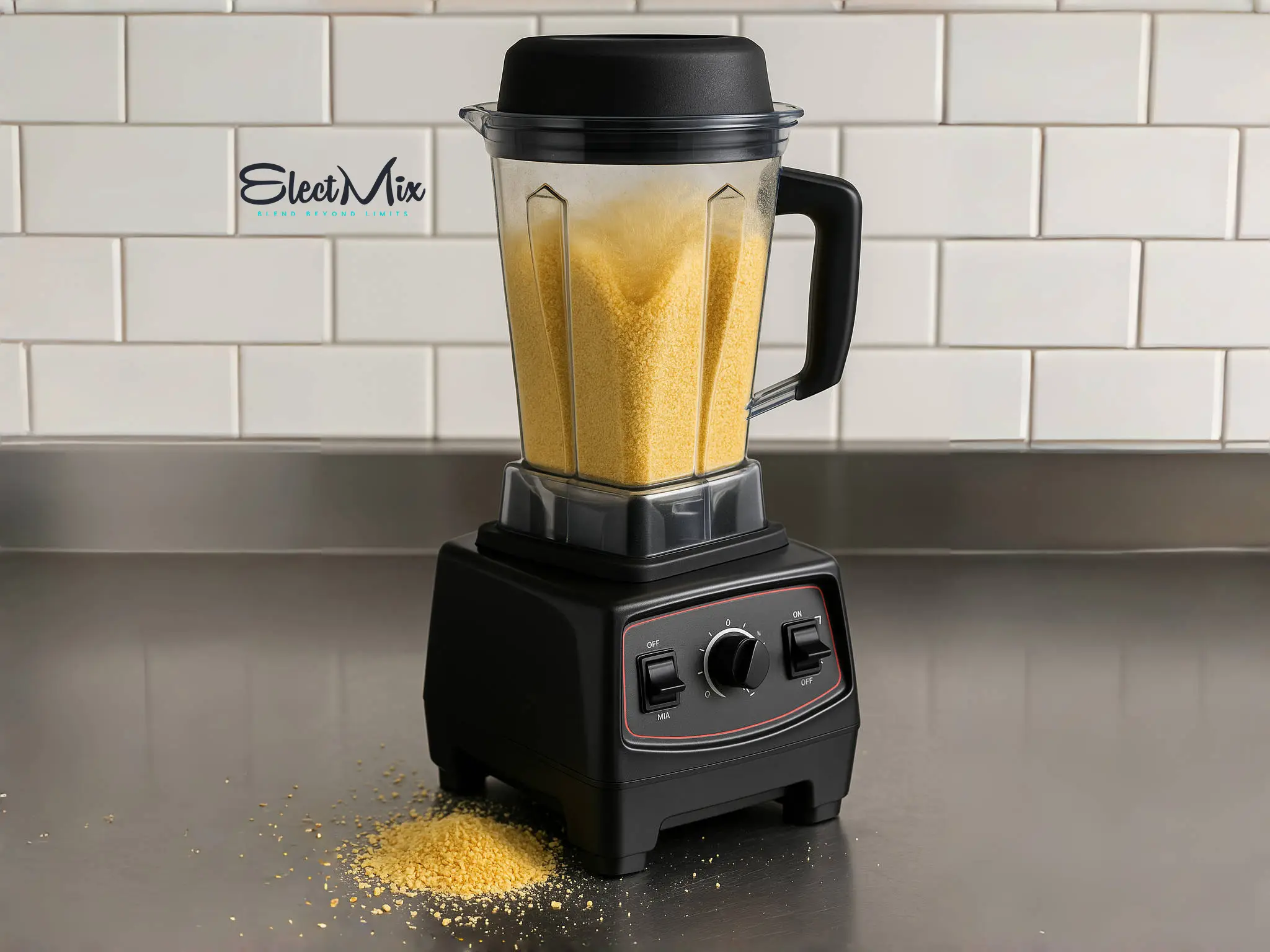
These high-powered blenders can be relied on to pulverize small batches of grain fine for one-off jobs. They don’t always produce a grain grinder’s perfect texture, but are great for spinoff, one-off applications.
We use them for little things and appreciate the fact that they can do other kitchen tasks as well.
6. Commercial vs Home Use Models
Commercial mills grind massive amounts of grain at once. They’re designed to stand up to pretty rough use, perfect for bakeries and other high production kitchens.
Home models are smaller, simple to operate, very convenient, and can be stored away on a household counter. We always decide first on the quantity of flour we’ll be producing before choosing a milling system.
For instance, the Wonder Mill Grain Mill has a capacity of up to 12 cups per batch, and we save time when using electric mode.
Choose Your Ideal Grinder

Deciding on a grain grinder really comes down to the best fit for your kitchen. Think about the way you want to bake, and what kinds of grains you’d like to work with. What we’ve learned is that the first thing people need to determine is whether they want a manual grinder or an electric.
Manual mills, like the Wondermill Deluxe Hand Grain Mill, are great for those who appreciate a manual, hands-on milling experience. They easily attach directly to your countertop, too. Electric grinders are perfect for bigger quantities at once and regular baking.
NutriMill Classic The NutriMill Classic is one of the best selling mills of all time, having been number one for more than twenty years. Since kitchen space is always a concern, we consider the overall footprint and storage requirements, especially for larger grinders.
Consider Your Grinding Volume Needs
Our at home baking habits dictate our flour needs, which vary from baking every day to every several weeks for larger families. If you’re like us and grinding every single week, or if you have a big family, a bigger hopper definitely cuts down time.
If you are prepping coffee for just one or two people, a small mill will likely do just fine. For the daily baker, think about the Mockmill 100. Plus, it’s easy on the budget, offers a 1-year warranty, and is built for durability during repeated daily use.
Heavy-duty models such as the GrainMaker and the Diamant Grain Mill are ideal for homesteads and multi-generational families. They offer the production and ruggedness required for demanding, high-volume operations.
Match Grinder To Grain Type
Each grain requires its own special grinder. Meanwhile, stone mills are long-lasting and self-sharpening, so they’re a practical choice for tougher grains such as wheat or rye.
For oily grains, we seek out specialized grinders that won’t clog easily, like the GrainMaker. The Mockmill stands out from the crowd with over 20 different grind settings. It’s seamless for us to go from coarse ground corn for grits to fine corn flour for bread.
If we like versatility, electric mills like the NutriMill Classic handle a range of grains while keeping flour below 118 degrees to protect nutrients.
Evaluate Speed And Noise Levels
When a busy kitchen counts on providing quick meals, speed is of the essence. Electric mills are much faster but can be noisy. If quiet matters, the slower pace of manual mills provides a serene experience.
Its high speed with low temperature operation protects nutrients by controlling temperature and preserving grain quality. Speed should accommodate our baking schedule and our ambient noise preferences, particularly in open kitchens.
Assess Budget And Long-Term Value
Just like when we go shopping, we decide on a budget upfront and consider what features are most important to us. Durable models, like the Diamant Grain Mill, last for generations and actually accrue value as time goes by.
In other words, spending slightly more up front can eliminate the need for multiple future repairs. We consider their cost vs. Warranty, build, and features that suit our baking needs.
Check Motor Power And Durability
Motor power is, at a glance, important. Powerful motors easily tackle harder grains without bogging down. We read specs, but look for durable housing and good construction of internal components.
Stone mills last longer, while mills like the NutriMill Classic and Mockmill 100 use castings and design for years of use. For our final selection, we look at extensive user review data and maker reputation to inform our choice.
Master Grinding Techniques
Mastering grain grinding allows us to maximize the benefits from each batch, in flavor and nutrition. Knowing the grain, the grinder, and the appropriate technique will allow us to turn plain wheat berries or oats into flour. It’s the ideal flour for what we’re specifically looking for. We notice greater control, improved results, and new flavors in our baking and cooking. Every detail is important—from how we prepare the stones to how we store the finished product.
Now, here’s a deeper dive into the major areas we can improve and optimize this process.
Adjust Grind Settings For Texture
The grind setting affects every aspect of flour. If we’re looking for pastry flour, we take the soft white wheat and adjust our grinder to a finer setting. For example, for all-purpose flour, we use half hard and half soft wheat and adjust the grind to medium. The finer the flour, the softer and more delicate the resulting bake.
A coarser grind produces a denser, heartier, more rustic style of bread. With each grain, the optimum setting may even change. We recommend that you rotate the hopper left until the stones just barely touch, then right a tad to prevent stone wear. One helpful piece of advice is to only grind up 8 or 10 cups worth at once, so you aren’t causing the grinder to overheat.
When we experiment with oats, corn, or dried chickpeas, optimal conditions are key. It truly makes a difference in final texture on the plate.
Optimize Nutrition Through Grinding Method
Besides the benefits of baking with fresher ingredients, grinding at home retains more nutrients within the flour. Current wheat flour contains more vitamins than the flour that languishes on a store shelf for weeks or months. By using alternative whole grains such as spelt, millet, and quinoa, we’re increasing fiber and protein.
We grind only what we can use or freeze surplus flour to preserve its freshness. Fresh ground spelt, for example, requires 2 to 4 tablespoons less water since it absorbs less than store-bought flour. Grinding in small batches and using fresh whole grains translates into gourmet flavor along with impressive health benefits.
Understand Grain Impact On Output
Each grain produces a unique flour. Hard wheat produces the structure for the chew of a good bread, and soft wheat helps add fluff to a groomsman’s cake. Whether we’re grinding barley or buckwheat at home, it opens up some fresh opportunities for recipes.
Six cups of wheat berries will yield roughly 12 cups of flour! That’s enough food for hundreds of loaves of bread or muffins! Understanding how each grain behaves once it’s ground can arm us with the knowledge we need to bake with confidence.
Experiment With Different Grains
By cooking with new grains, you’ll discover a whole new colorful world of flavors. We could grind oats for breakfast, corn for tortillas, or lentils to grind for gluten-free baking. Buying grains in bulk saves money, and we know that we’re in control of what goes into our food.
We have to save a lot of flour in the pantry or fridge due to germ or spoilage reasons. Local farmers’ markets, online grain suppliers, or food co-ops are fantastic places to pick up more unique grains such as millet or quinoa.
Maintain Your Grain Grinder
Taking care of our grain grinder is more than simply ensuring a proper operation. A little maintenance goes a long way to deliver high performance and years of trouble-free use. Whether you use a hand-crank or an electric model, grain grinders require easy maintenance routines to keep your flour tasting great and prevent costly repairs.
Specific to owners of electric grinders, we find that almost 90% do not perform routine cleaning, which can result in expensive repairs. Take care of them, store them properly, and we’re rewarded with superior flour, consistent results, and a lot less heartache. Here, we identify the top ways to prevent downtime and keep our grinder machine ready to roll.
Follow Regular Cleaning Practices
Cleaning our grain grinder after each use ensures it’s in great working condition and prevents cross-contamination in food preparation. The objective here is to minimize the explosion risk from flour dust and grain bits as fast as possible. These troublesome particles can build up quickly, causing clogs or unusual smells.
We find that brushing out the hopper and burrs, then giving rollers or plates a blast of compressed air, helps remove grit. Another trick to clean out any stored residue is to run a small batch of white rice through the mill. It’s a good idea to consult with the manufacturer’s manual for appropriate cleaning procedures as some grinders may require more specialized care.
Cleaning boiler and die surfaces, as well as wiping down the mill for any leftover grain, ensures everything stays clean. This routine not only helps with hygiene but lowers the risk of electric shocks or short circuits during cleaning.
Store Your Grinder Properly
How and where we store our grinder is critically important. Keeping it in a clean, dry, cool place, ideally not near a sink or stove, prevents rusting and protects the motor. If storage space truly is at a premium, setting aside a shelf or corner in any pantry is the next best alternative.
Using a cloth cover or grain sack prevents dust and insects from accumulating. If you put a grinder down somewhere wet or humid, you risk breeding mold and damaging your grinder’s inner workings. Proper air flow is necessary to avoid these issues. Regular storage makes for less operating failure and greater longevity.
Troubleshoot Common Grinder Issues
In addition, sometimes the grinder jams, runs slow, or doesn’t grind even. Clearing out stuck grains, replacing a dull blade, or tightening loose parts will fix the majority of issues. If we start to hear weird noises or chunk flour, that’s a sign that stones or plates need a replacement.
Repair manuals explain how to repair or replace the various parts. Understanding some basic principles of how our grinder operates allows us to identify problems and correct them before they become major failures.
Ensure Food Safety Compliance
Food safety begins with a correctly maintained grinder and proper grain storage. We look for worn parts or rust every few weeks so that no metal or grit gets mixed into flour. Keeping grains dry and sealed stops bugs or mold.
Clean, dry hands and tools are an extra measure of safety. Replacing grinding stones from time to time ensures fresh flour flavor and saves energy in the process.
Grain Grinding Safety First
So we have made safety the focus every time we operate a grain grinder. We think about safety and equipment care in every aspect, from set up to cleaning. Our mission isn’t just protecting people, it’s protecting our equipment.
Grain grinders, even those manufactured for home or a small shop, carry significant hazards. These machines have very sharp stones or metal burrs, very dangerous powerful motors, and other moving parts. Without proper precautions, they can cause serious lacerations of your skin or worse.
Electrical grain mills introduce additional hazards, such as worn cords or areas that need to be kept dry. These steps begin with reading the operator’s manual and examining each component for safety. Good sense goes a long way in making sure folks stay safe, too.
When children are present, more eyes and more careful hands prevent disasters from happening. These habits increase the likelihood of accidents, so ensure every grind is a safe one.
Read Manufacturer Instructions Carefully
Each grinder has their specific quirks and procedures. Taking the time to read the instructions prevents us from making the grind wrong and other rookie errors.
When running through mills with stones, we first rotate the hopper to the left until the stones just touch. Next, we knock it down one half-stop in exposure compensation. This prevents the stones from grinding against one another, which prevents wear and maintains the flour’s fineness.
Manufacturer booklets further caution that once gluten grains are ground, the mill is not considered gluten-free. We keep the manuals in a clear bag taped to the wall or inside a kitchen drawer, always ready when someone new uses the mill.
Handle Electrical Components Safely
Electric grinders have their own set of checks. We inspect cords and plugs every time before plugging them in. We don’t use a cord that is cracked or the plug is loose; we wait and get it repaired.
When the grinder is NOT in use, we unplug it. That one small precaution helps protect the grinding motor and prevents electric shocks. We always kept water away from outlets and the body of the grinder.
Even the tiniest of spills can result in serious harm to health and safety. I know this because, while high-quality mills (and yes, they cost more) reliably run for years without a fuss. For private brands, they usually ensure this promise with a 12-year warranty for private use.
Keep Fingers Away From Parts
It might be tempting to reach in and clear a jam by hand, but we do not. Fingers and moving machinery, including a grain grinder, don’t mix. Instead of our hands, we use a wooden spoon or a cleaning brush.
Watch the kids marvel at the mill. Kids see the mill and their curiosity ignites. That is why we never take our eyes off or secure the grinder when not actively grinding.
A practical rule of thumb is to only open the grinder when it’s completely stopped. To ensure the best experience, we demonstrate to others how to load the hopper, use the appropriate settings, and avoid placing hands inside ever.
Motors between 250 and 360 watts can mill up to 3.5 ounces of flour per minute. This impressive efficiency leads to some high speed and high energy parts!
Replace some of the wheat with beans or lentils, up to 25 percent of the blend. Loading and checking ingredients carefully will help your mill stay safe and ensure your flour mix is properly balanced.
Grinding Grains And Modern Trends
How we grind our grains at home has been revolutionized in a short span of time. More folks are discovering the joys of home milling. They’re passionate about the true rewards it brings — for our well-being, our food, and the planet.
This isn’t just a fad. More than ever, Americans are aware of what they’re eating and where their ingredients come from. As a result, grain grinders such as the NutriMill Harvest are finding their way into more and more kitchens.
With its huge 24-cup capacity, busy families appreciate the convenience of the NutriMill Plus for quickly grinding enough grain to fill even the most demanding baking and cooking needs. Home milling grains allows us to retain over 30 nutrients that commercial mills remove.
In American factories, they remove as much as a full third of the wheat kernel to produce white flour. In the process, we remove the most nutritious part of the grain. When we grind our own, we receive the maximum nutrition with each delicious cup.
Embrace Food Sustainability At Home
Home milling meshes perfectly with a sustainable lifestyle. We source grains from local farms, shortening the distance that our food travels. This step reduces the amount of fuel needed, preventing waste from occurring in the first place.
At home, we only use what we need, so less flour sits in half-opened bags going stale. This easy-to-get step prevents food waste. Simply grind what you need for any given recipe.
That means empty flour bags and boxes, as well. Swapping store-bought flour for fresh, home-milled flour means less waste. Using whole grain not just as an occasional option but every time we bake is a small step. It can create a profound cumulative effect.
Align Grinding With Health Goals
Whole grain flour is a nutritional powerhouse filled with more than 30 nutrients. For those with gluten sensitivities, fresh-milled flour allows bakers to create flavorful gluten-free options without fillers or additives.
We have the ability to choose grains that specifically support whatever diet we’re eating—be that oats for heart health or millet for digestive ease. With whole grains, especially those we grind ourselves, the flavor is so much greater.
Not to mention, we’re receiving more of the nutrients our bodies require! This practical, creative approach brings health literally to the table.
Explore Culinary Creativity Freshly Ground
Once you start working with fresh flour, it really just changes how you cook and bake in many ways. Whatever you’re cooking, it’s simple to experiment with new recipes using everything from hearty rye breads to delicate pancake or tortilla flours.
Homemade flour adds new flavor to pizza crust, gives muffins a heartier crumb, and even works in savory dishes like thick soups. Whether at home or away, sharing these homemade goodies with friends makes each occasion a cause for celebration.
From potlucks to backyard barbecues, fresh-milled grains are the perfect addition to any meal!
Connect With Local Grain Sources
Obtaining grains directly from local farmers allows us to better understand who grows our food. This, in turn, allows more small farms to flourish while making our food dollars circulate more within our own local economies.
Local grains have a richer flavor as well due to their freshness. Creating a connection with a local grain supplier is easy—start with your inquiries, attend farm activities, or schedule a tour of operations.
When we know where something comes from, we’re confident that the quality and safety of our food is top notch.
Conclusion
We leave no stone unturned when it comes to grain grinding. Whether we prefer hand-crank mills for that old-school vibe or solid electric grinders for fast efficiency, we’re sure there’s a right fit for you. Our kitchen is filled with the fragrant smell of fresh flour. We see how a good grinder can cut waste, help us save cash, and let us try new grains, like spelt or millet, in our bread and snacks. We stay in touch with industry trends and best practice safety tips, so we grind safely and maintain our equipment to operate at peak efficiency. We take every batch as an opportunity to learn and correct what was not accomplished, celebrating our victories. Have a query or an anecdote from your own culinary experience? Shoot us an email or drop a comment below—let’s share ideas and expand our grain growing expertise!
Frequently Asked Questions
What grains can I grind with a grain grinder?
You can mill wheat, corn, oats, barley, rice, and even dry beans and coffee with an electric grain mill or manual grain mills! Refer to your grinder’s manual for specific grains that are safe to grind to prevent damage.
Is grinding your own grains healthier?
Yes. We’ve found that freshly ground grains from a manual grain mill have more nutrients and flavor, allowing you to control ingredients and avoid preservatives by grinding at home.
How do I choose the right grain grinder?
Keep your budget, volume needs, and grain types in mind when choosing between an electric grain mill and a manual grain mill. Electric grinders are quick, while manual grinders offer more precise control. Be sure to read product reviews and warranty information before purchasing your grain mills.
How do I clean and maintain a grain grinder?
Always disconnect the electric grain mill before performing any cleaning operation. With a stiff-bristle brush, sweep off any remaining flour dust. Dust hard surfaces with a dry microfiber cloth and check for residue buildup, adhering to your manufacturer’s maintenance and operation directions.
Are grain grinders safe to use at home?
The answer is yes, provided you adhere to all safety precautions when using grain mills. Additionally, never put hands near moving parts, ensure proper support so the manual grain mill or electric grain mill does not fall, use it on a stable surface, and unplug when done.
Can I grind gluten-free grains with a regular grinder?
Can most electric grain mills grind gluten-free grains like rice and quinoa? Ensure that the electric grain grinder is thoroughly cleaned before using it to mill grains like wheat or other gluten sources to prevent cross-contamination.
What are the latest trends in grain grinding?
Modern trends include electric grain mills with digital controls and compact designs for small kitchens, while many people now prefer using manual grain mills for freshness and better nutrition.

ElectMix Team provides global e-commerce sellers and distributors with insights on commercial blending solutions, OEM customization, and profitable market opportunities.


